
Custom-engineered structural modules and energy storage shelters optimized for Indonesia's mining, hospitality, industrial, and island electrification projects.

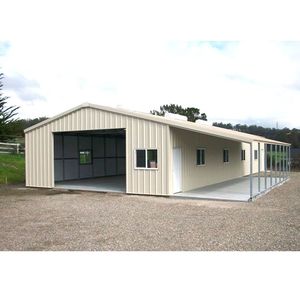
As Southeast Asia's largest economy, Indonesia presents a unique geographical landscape comprising over 17,000 islands spanning across three time zones. The nation’s rapid industrial expansion—driven by nickel mining in Sulawesi, palm oil processing in Sumatra and Kalimantan, eco-tourism developments in Bali and East Nusa Tenggara, and critical infrastructure projects—demands scalable, reliable, and rapidly deployable energy solutions. Traditional centralized power grid expansion by PT PLN (Persero) often faces immense logistical hurdles and prohibitive capital expenditure in off-grid, remote, and coastal regions.
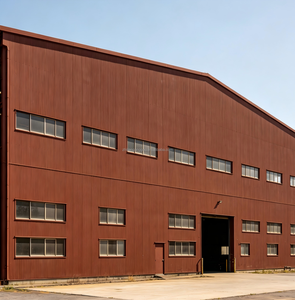
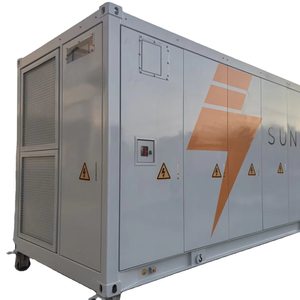
Containerized solar power systems, integrated with high-density Battery Energy Storage Systems (BESS) and heavy-duty modular steel structures, have emerged as the definitive benchmark for off-grid electrification and commercial energy resilience across Indonesia. Engineered inside modified ISO weathering steel enclosures or purpose-built modular chassis, these factory-assembled units deliver plug-and-play energy autonomy while drastically reducing reliance on costly diesel generator sets (gensets).
Information Gain Insight: Hybridizing existing diesel microgrids with modular container solar systems in Indonesian remote sites yields an average Levelized Cost of Energy (LCOE) reduction of 35% to 55%, with ROI realized in under 3.5 years under current PLN diesel fuel logistics tariffs.
Indonesia's tropical equatorial climate introduces distinct environmental stressors: year-round high humidity (80%–95%), elevated ambient temperatures averaging 32°C to 38°C, heavy monsoon rainfalls, highly saline marine atmospheres in coastal archipelagos, and seismic activity. Standard commercial solar solutions designed for temperate zones frequently suffer from thermal throttling, premature inverter degradation, and structural corrosion when deployed in regional provinces like Maluku, Papua, or South Sulawesi.
Our turnkey solar container systems are specifically tropicalized to overcome these extreme localized challenges:
Selecting the appropriate solar container configuration depends on site power profiles, peak load demands, daily megawatt-hour (MWh) consumption, and localized solar irradiance (KWh/m²/day). Below is an engineering overview of our standard mobile and modular solar container configurations deployed across Indonesian industrial and commercial sectors.
| Model Series | Nominal Solar Output | BESS Battery Capacity | Inverter / Microgrid System | Footprint Enclosure | Primary Indonesian Application |
|---|---|---|---|---|---|
| Helios-20 Mobile | 15 kWp - 35 kWp (Folding PV) | 60 kWh - 120 kWh LFP | 30 kVA Hybrid Off-Grid (IP65) | 20ft High Cube ISO Container | Eco-Resorts, Island Clinics, Telecom Centers |
| Helios-40 PowerMax | 50 kWp - 120 kWp (Deployable) | 200 kWh - 500 kWh LFP | 100 kVA Smart Microgrid Inverter | 40ft High Cube ISO Container | Mining Camps, Plantation Processing, Remote Micro-Grids |
| BESS-MegaStation | External PV Integrated | 1 MWh - 3.4 MWh Liquid Cooled | 500 kW - 1.2 MW Central PCS | 40ft Custom Modular Equipment Shelter | PLN Grid Stabilization, Heavy Industrial Parks, Smelters |
| Hybrid Genset Pod | 20 kWp Solar Rooftop + PV Array | 100 kWh LFP + Integrated Genset | Dual Input Smart Load Controller | 20ft Weathering Steel Container Pod | Emergency Relief, Construction Sites, Mobile Base Camps |
*Custom voltage outputs (380V/400V 3-Phase 50Hz aligned with Indonesian PLN grid standards) and custom battery sizing available upon request.
Our containerized solar microgrid systems and specialized modular container structures are engineered to solve high-value operational challenges across diverse regional industries in Indonesia.
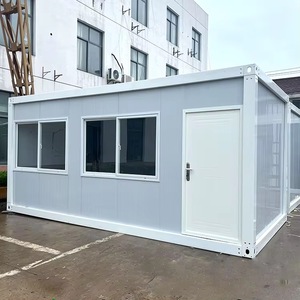
Nickel, coal, and gold extraction sites operate 24/7 in off-grid terrain. Containerized solar + BESS units seamlessly integrate with existing diesel generators, performing dynamic peak shaving, fuel reduction, and providing stable 3-phase power for worker accommodation pods and heavy machinery workshops.
Luxury island resorts require quiet, emission-free power to preserve pristine natural guest environments. Solar container units replace noisy diesel generators, supplying continuous, clean electricity for air conditioning, water desalination plants, luxury living pods, and seaside food kiosks.
Indonesia's Ministry of Communication and Information Technology (Kominfo) expansion into frontier, outermost, and underdeveloped (3T) regions requires autonomous power shelters. Containerized energy systems deliver 99.99% uptime for remote BTS towers and edge computing data nodes.
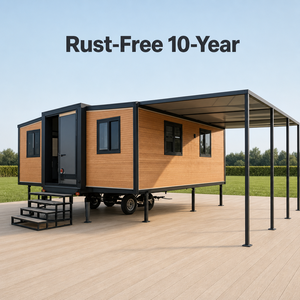
Situated on the Pacific Ring of Fire, Indonesia is prone to earthquakes and volcanic activity that can instantly sever regional power grids. Foldable solar containers mounted on trailers can be airlifted or shipped via landing craft (LCT) to restore emergency power within hours.
Remote palm oil mills require heavy thermal and electrical loads during processing seasons. Containerized solar-diesel microgrids provide voltage stabilization, reducing brownout risks and curbing expensive industrial diesel consumption during peak processing cycles.
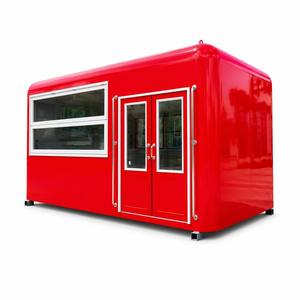
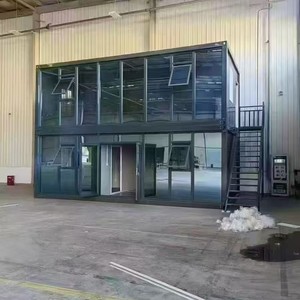
Combining custom container architecture (curved glass kiosks, food booths, mobile office pods) with integrated rooftop solar panels allows commercial operators to launch instant revenue-generating retail outlets anywhere without needing local utility grid connections.
Procurement directors and project developers evaluating energy systems for Indonesia must navigate evolving government mandates and market shifts:
Recent updates by the Ministry of Energy and Mineral Resources (MEMR/ESDM) regarding rooftop solar and captive power systems emphasize grid stability and system efficiency. For commercial and industrial (C&I) facilities operating on grid-tied connections, containerized BESS units provide essential frequency regulation, ramp-rate control, and zero-export compliance required by PLN regional power distributors.
PLN’s long-term Electricity Supply Business Plan (RUPTL) mandates the gradual phase-out or hybridization of thousands of isolated diesel power plants across eastern Indonesia. Containerized solar microgrids serve as the primary structural vehicle for this transition, offering modular scalability where solar capacity can be expanded in 100 kW increments as regional electricity demand grows.
While local content requirements (TKDN) govern municipal energy procurements, international project operators, private mining concessions, and foreign direct investment (FDI) projects prioritize international IEC, CE, and ISO certification standards to guarantee asset bankability, operational safety, and structural longevity. Our container systems strictly adhere to ISO 1496 shipping container structural integrity specs and IEC 62619 safety standards for industrial energy storage systems.
As a specialized design/build modular construction and renewable integration firm, our enterprise capabilities guarantee unmatched quality control from raw steel procurement to final deployment in Indonesia: