
Turnkey, heavy-duty solar containerized systems, mobile cold rooms, and modular structures engineered for immediate deployment across Nigeria.
Nigeria’s economic landscape presents a unique structural energy challenge for industrial operators, commercial developers, agricultural enterprises, and telecommunication infrastructure providers. With national grid reliability hovering at unpredictable levels and grid collapses occurring periodically, commercial enterprises have historically relied on heavy-duty diesel generators to maintain baseload power. However, following the complete deregulation of Premium Motor Spirit (PMS) and Automotive Gas Oil (AGO/Diesel) prices in Nigeria, operating costs for thermal generation have escalated by over 300%. This macroeconomic shift has altered the Levelized Cost of Energy (LCOE) calculus for Nigerian enterprises, positioning containerized solar energy storage systems (BESS) as the primary capital investment for operational resilience.
A solar container system—often engineered as a 20ft or 40ft ISO standardized shipping container—combines high-density Monocrystalline PV panels (with foldable or deployable rack arrays), industrial Battery Energy Storage Systems (using Lithium Iron Phosphate - LiFePO4 chemistry), intelligent Maximum Power Point Tracking (MPPT) charge controllers, and heavy-duty hybrid inverters into a single, factory-tested, turnkey package. Unlike traditional civil-built powerhouses, containerized solar stations eliminate onsite construction delays, resist harsh ambient temperatures, and can be mobilized or relocated rapidly across remote operational sites from the Lagos free trade zones to agricultural belts in Kano and oilfield infrastructure in the Niger Delta.
Choosing the correct containerized solar configuration requires evaluating load profiles, daily megawatt-hour (MWh) consumption, peak surge requirements, and spatial limitations. The following matrix outlines standard commercial and industrial (C&I) solar container specifications supplied to the Nigerian market:
| System Architecture | 20ft Off-Grid Solar Container | 40ft Industrial Microgrid Container | Hybrid Generator-Solar Shelter |
|---|---|---|---|
| Nominal Solar Capacity | 15 kWp - 45 kWp (Deployable Array) | 50 kWp - 150 kWp (Foldable Array) | 10 kWp - 30 kWp + Diesel Coupling |
| BESS Storage Chemistry | LiFePO4 (Lithium Iron Phosphate) | LiFePO4 Commercial Grade | LiFePO4 or High-Rate AGM Backup |
| Usable Battery Capacity | 60 kWh - 120 kWh | 200 kWh - 500 kWh | 30 kWh - 100 kWh |
| Inverter / Power Rating | 20kVA - 50kVA Three-Phase 380V/415V | 100kVA - 250kVA Three-Phase 415V | 15kVA - 40kVA Hybrid Auto-Transfer |
| Thermal Management | Smart Industrial HVAC (25°C Constant) | Dual-Redundant Liquid/Air Cooling | Forced Air Ventilation & Heat Shields |
| Ingress Protection Rating | IP65 Enclosure / Dust-Proof Seals | IP65 / NEMA 4X Heavy Marine Paint | IP54 / Heavy-duty Steel Housing |
| Primary Application in Nigeria | Agro-Cold Storage, Resorts, Farms | Manufacturing Plants, Estates, Mining | Telecom Hubs, Emergency Power Stations |
The versatility of structural container modifications combined with renewable power enables multi-sector solutions tailored to Nigeria’s geography and infrastructure demands:
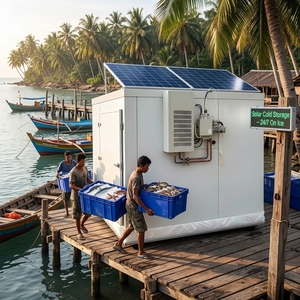
Over 40% of perishable agricultural produce in Nigeria—such as tomatoes in Kano and fruits in Benue—is lost post-harvest due to lack of cold storage. Mobile 20ft and 40ft solar-powered cold room containers offer off-grid refrigeration down to -18°C, providing farmers and logistics cooperatives with reliable preservation right at the farm gate without grid dependency.
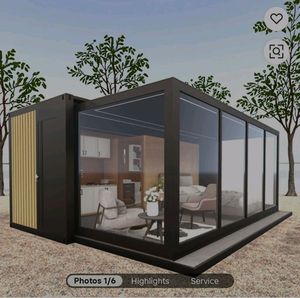
Resource extraction operations in remote sections of the Middle Belt and Niger Delta require heavy power and modular housing. Integrated solar containers combined with prefab container living quarters, mobile office pods, and workshop units provide self-sufficient operational bases that bypass costly diesel supply logistics.
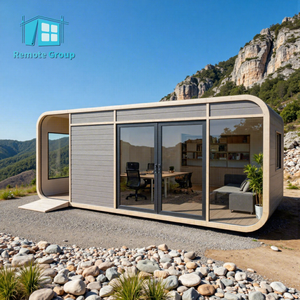
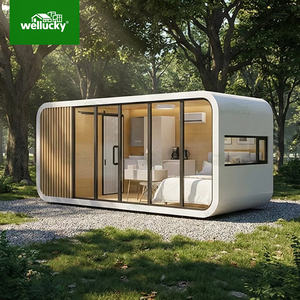
From modern mobile office pods and Apple Cabin luxury units in Lekki, Lagos, to eco-resorts along the coastline, plug-and-play modular containers provide aesthetic commercial spaces powered completely by silent rooftop solar arrays, eliminating noisy diesel generators for high-end clientele.
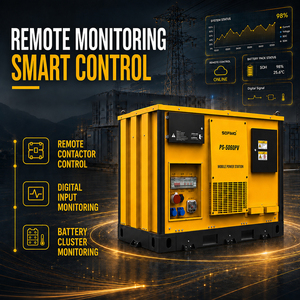
Nigeria's massive telecommunications network requires uninterrupted 24/7 power for tower nodes across remote states. Hybrid 380V energy storage shelters provide seamless battery-to-solar automated switching, reducing generator run-time by over 80% and safeguarding transmission uptime.
Containerized medical shelters and mobile clinics equipped with integrated solar microgrids can be dispatched instantly to disaster areas or rural health posts, running critical diagnostic equipment, vaccine refrigeration, and illumination without external utility connections.
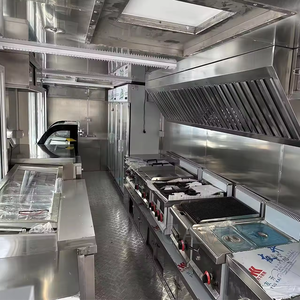
Custom container bars, mobile restaurant units, and CAMP food trailers equipped with built-in solar battery units allow entrepreneurs in bustling commercial centers like Abuja and Port Harcourt to operate compliant, low-overhead hospitality businesses.
The demand for solar container systems in Nigeria is experiencing unprecedented growth driven by distinct economic, regulatory, and technical catalysts:
With diesel prices topping ₦1,200 - ₦1,500 per liter depending on inland transport costs, the payback period for containerized solar systems in Nigeria has compressed from 5-7 years down to less than 2.5 years. Commercial enterprises now view solar containers as an immediate operational cost reduction strategy.
Federal initiatives supported by World Bank funding—such as the Nigeria Electrification Project (NEP)—are actively incentivizing off-grid solar mini-grids. Factory-built solar containers allow EPC contractors to fulfill grant requirements quickly by deploying pre-engineered power stations without civil building delays.
Legacy lead-acid and gel batteries are being rapidly phased out across African industrial installations due to short cycle life and heat sensitivity. Advanced Lithium Iron Phosphate (LiFePO4) batteries housed within thermally conditioned container structures are now the gold standard, offering 15+ years of operational durability.
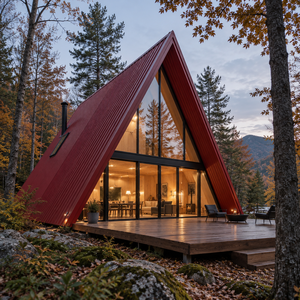
Commercial developers are increasingly combining structural container modifications (such as 40ft fully furnished luxury living pods, mobile offices, and triangle A-frame prefab units) directly with solar generator containers to launch resort sites and remote administrative quarters in a fraction of traditional construction timelines.
Building high-performance solar container systems demands rigorous engineering, specialized metal fabrication capabilities, and advanced thermal management design. Unlike brokers or local assemblers, our operations are backed by a specialized design/build infrastructure designed for demanding international clients:
All structural modification, steel framing, electrical integration, and system assembly occur inside our state-of-the-art climate-controlled manufacturing facility.
Our team of structural engineers and MEP specialists handle code compliance, wind load calculations, solar array deployment kinetics, and electrical safety standards.
Containers undergo multi-stage surface treatment, anti-corrosion marine-grade painting, thermal insulation paneling, and IP65 dust/moisture seal integration.
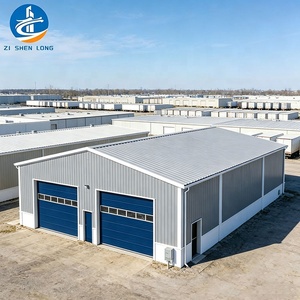
By fabricating power systems and modular enclosures offsite while site clearing occurs in parallel, your project opens months ahead of traditional construction schedules.
Speak directly with our modular solar engineering team to receive custom load calculations, technical CAD drawings, and factory-direct quotation for your project.