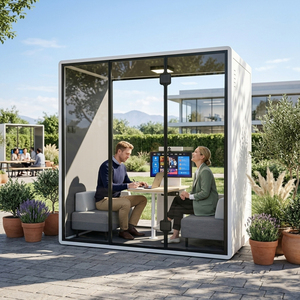

Explore our ISO 9001 certified modular security guard shacks, electrical equipment shelters, and mobile office pods precision-engineered for rapid overseas dispatch to Auckland, Wellington, Christchurch, and regional NZ sites.
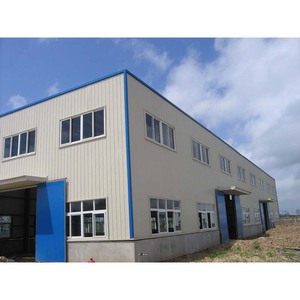
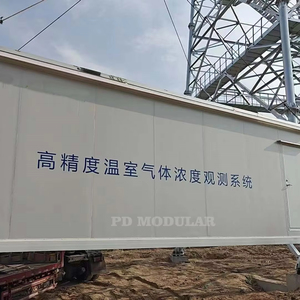
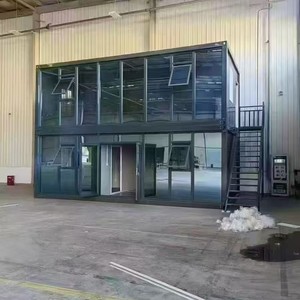
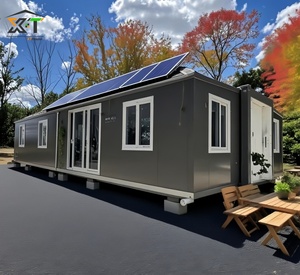
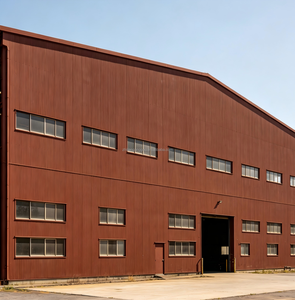
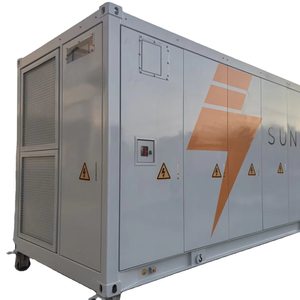
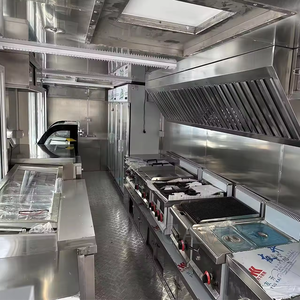
An in-depth guide to importing high-performance, weather-resilient, and code-compliant modular security gatehouses across the North and South Islands.
As commercial logistics hubs expand across South Auckland, maritime freight volumes surge at the Ports of Auckland and Port of Tauranga, and infrastructure developments accelerate across Christchurch and Wellington, demand for rapid-deployment security infrastructure has reached an unprecedented peak. Traditional site-built security booths are increasingly rendered unviable due to soaring local skilled labor costs, extended weather delays, and complex council consenting processes for permanent construction.
Offsite prefabricated guard shacks, engineered and exported directly from specialized manufacturing facilities, present New Zealand asset managers and procurement teams with a turnkey alternative. Operating under offsite manufacturing (OSM) principles, modules arrive on-site up to 90% pre-fitted with integrated power distribution, HVAC cutouts, bullet-resistant glazing options, and automated barrier control interfaces—slashing site installation time down to a single day.
New Zealand’s unique geographical microclimates and industrial concentrations require tailored guard shack configurations. Below are key deployment sectors where engineered exporter-direct units excel:
Deployments in high-salinity zones such as Port of Tauranga and Lyttelton Port require heavy-duty weathering steel or hot-dip galvanized frame structures with marine-grade 3-layer epoxy paint systems to withstand salt spray and continuous coastal winds.
For installations in Wellington and Christchurch, guard shacks are fabricated with ductile light-gauge steel framing and specialized anchor plate assemblies engineered to absorb lateral seismic forces under seismic Zone 4 parameters.
Off-grid security stations in the Waikato, Canterbury Plains, or West Coast forestry sectors integrate solar PV arrays, lithium battery storage (BESS), and generator backup to provide continuous operational power for automated gate control without grid connection.
When selecting a international exporter of prefabricated guard shacks into New Zealand, evaluating structural, thermal, and material specifications against local regulatory codes is critical. The table below outlines standard factory engineering vs. customized NZ export parameters:
| Engineering Parameter | Standard Export Grade | New Zealand Compliant Specification |
|---|---|---|
| Structural Frame | Q235/Q355 Galvanized Steel Chassis | Heavy-Duty Cold-Formed Steel / C350 Galvanized Frame (NZS 3404) |
| Wind Load Capability | 120 km/h (Category 1-2) | Up to 250 km/h (NZS 1170.2 Ultimate Limit State Wind Zone Very High / Extra High) |
| Seismic Performance | Standard Dynamic Ductility | Ductile Seismic Anchoring System certified to NZS 1170.5 Spectrum |
| Thermal Envelope (Walls/Roof) | 50mm EPS / PU Sandwich Panel | 75mm–100mm High-Density PIR / Rockwool Core (Meets NZBC Clause H1 Energy Requirements) |
| Anti-Corrosion System | Double-sided Galvanized + Powder Coating | C4/C5 Coastal Marine Grade Epoxy Primer + Polyurethane Topcoat (AS/NZS 2312) |
| Glazing & Security | 5mm Toughened Single Glass | Double Glazed Low-E Argon-Filled Safety Glass or BR4/BR6 Bullet-Resistant Acrylic Laminate |
The prefabricated building market in New Zealand is undergoing rapid modernization, influenced by environmental targets, labor dynamics, and technological convergence. Procurement specialists must keep the following trends in mind when importing security guard shacks:
Unlike third-party traders or brokerages, dealing directly with an established modular design-build exporter backed by a 40,000 sq. ft. precision fabrication plant ensures complete chain-of-custody control from preliminary architectural drafting to sea container packing.
While local foundation pouring and utility trenching take place on site in NZ, our facility simultaneously fabricates, paints, and outfits the guard shack modules—eliminating sequential construction bottlenecks.
Every structural weld, electrical circuit, and waterproofing seal undergoes rigorous factory testing under controlled indoor atmospheric conditions prior to packing and sea transport.
Our export logistics department optimizes unit dimensions for standard 20ft/40ft HQ ocean containers or flat-rack transport, drastically lowering landed freight tariffs to New Zealand ports.
Expert answers addressing customs clearance, building consenting, electrical wiring standards, and delivery logistics.
Yes. Guard shacks exported to New Zealand can be pre-wired to comply with AS/NZS 3000 (Wiring Rules). Electrical components, RCD breaker panels, switches, and sockets are supplied with RCM/SAA certification or pre-arranged for quick certification by a local NZ registered electrician upon connection.
Our units utilize cold-formed galvanized structural steel skeletons finished with high-build C4/C5 marine epoxy paint systems. Wall panels and window seals are engineered to withstand severe coastal salt breezes and gust pressures meeting NZS 1170.2 Extra High Wind zone criteria.
Factory fabrication typically requires 15 to 25 days depending on custom specifications. Direct ocean freight from primary manufacturing ports to Auckland, Tauranga, or Lyttelton generally takes 14 to 22 days, providing an end-to-end delivery cycle under 50 days.
Small relocatable structures under certain square footage thresholds (e.g., small security kiosks under 10–30 sq. meters depending on the district plan) may qualify for building consent exemptions under Schedule 1 of the NZ Building Act, provided they do not contain sanitary fixtures. We recommend verifying specific site conditions with your local council.
Each unit features integrated top corner casting blocks or forklift pockets beneath the base frame. Upon arrival via flatbed truck, the shack can easily be lifted onto a prepared concrete pad or screw pier foundation using a standard HIAB crane truck or 5-ton forklift.
Connect directly with our engineering team to review site blueprints, customize thermal & security specs, and receive a competitive CIF ocean freight quote to your target NZ port.
Contact Us