
Export-ready modular kiosks, shipping container modifications, off-grid energy shelters, and structural steel frames built for high-density retail markets.
Strategic insights into South Korea's hyper-dense commercial hotspots, evolving regulatory frameworks, and smart kiosk requirements.
In high-cost commercial corridors like Gangnam, Seongsu-dong, and Myeongdong, real estate rents reach astronomical premiums per square meter. Our mobile retail kiosks are precision-engineered with structural micro-footprints, maximizing usable retail floor space, customer interaction windows, and inventory storage within tight site constraints.
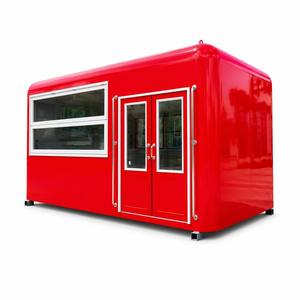
Seoul leads global trends in unmanned retail ( 무인 점포 ). Factory-built kiosks feature pre-installed high-speed fiber channels, automated security shutters, automated temperature controls, and seamless cutouts for localized digital payment systems, KakaoPay, NaverPay, kiosk touchscreens, and AI facial recognition cameras.
Seoul experiences extreme temperature swings, from scorching humid summers (+35°C) to freezing Siberian winds (-15°C in winter). Our factory engineering incorporates PIR polyurethane foam sandwich panels, continuous thermal break steel frames, and Low-E tempered double glazing to maintain interior temperature stability with minimal HVAC draw.
Engineered for high-footfall commercial zones, cultural districts, transit hubs, and pop-up retail events across the capital.
The "Brooklyn of Seoul" demands industrial-chic, rapid-deploy pop-up spaces for flagship brand activations, fashion drops, and specialized coffee concepts.
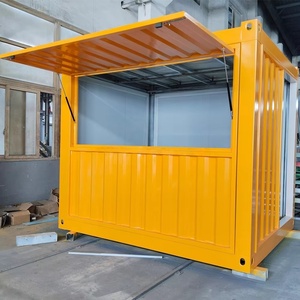
Brand marketers and retail agencies in Seongsu require rapid installation windows to minimize land leasing costs during short-term activation permits (1 to 6 months). Our modified shipping containers and heavy-duty steel modular kiosks provide plug-and-play functionality. Built with Corten weathering steel frames and full-height glass hydraulic flap doors, these kiosks allow luxury fashion brands and specialty coffee roasters to open fully functional pop-ups within 48 hours of site delivery.
High-traffic commuter routes requiring unmanned grab-and-go food booths, automated beverage service, and express convenience retail.
In bustling hubs like Gangnam, Samsung-dong, and Yeouido Business District, thousands of office workers require ultra-fast takeaway service. Our mini container pop-up shops (10ft/20ft configurations) are engineered with stainless steel interior food-grade surfaces, integrated grease traps, heavy-duty ventilation hoods, and dual-window service counters. The compact footprint allows landlords to monetize underutilized plazas, alleyways, and corporate building setbacks without violating municipal lot-coverage ratios.
Seasonal outdoor concession stands, eco-friendly equipment shelters, and mobile event infrastructure along Yeouido and Banpo Han River Parks.
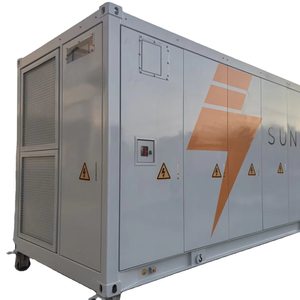
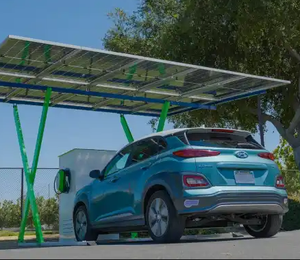
Public land management agencies and festival organizers require secure, weather-resistant mobile kiosks that can withstand summer heavy rainfalls (monsoon season) and winter freezes. By integrating our Helios Solar Array and Battery Energy Storage Systems (BESS), our mobile retail structures can operate 100% off-grid along riverbanks, public parks, and night markets, eliminating the need for noisy, polluting diesel generators.
Why international commercial procurement teams choose our integrated manufacturing facilities over traditional site-built construction.
Unlike local general contractors who build outdoors exposed to rain, humidity, and site delays, our structures are fabricated inside a climate-controlled 40,000 sq. ft. manufacturing facility in Houston, Texas, supplemented by world-class export manufacturing channels. Every weld, electrical connection, and structural seam undergoes strict internal QA/QC protocols before shipping.
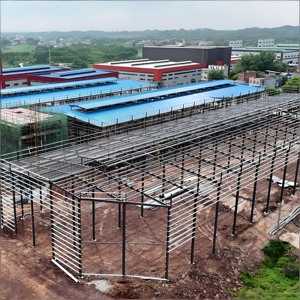
Our light steel frame structures use high-tensile Q235B structural steel chassis and corrugated Corten steel wall panels designed to withstand seismic forces (Zone 4 standards) and typhoon-force wind loads up to 150 mph (67 m/s). Every unit is engineered for international transport via standard ISO flat-rack or container ships, ensuring seamless delivery into Incheon Port.
| Engineering Parameters | Factory-Built Mobile Retail Kiosk | Traditional On-Site Construction |
|---|---|---|
| Project Lead Time | 3 to 6 Weeks (Factory build concurrent with site prep) | 16 to 24 Weeks (Sequential, weather-dependent) |
| Structural Frame Material | Q235B Galvanized Light Steel & Corten ISO Steel | Timber framing or standard site-welded mild carbon steel |
| Thermal Insulation Coefficient | PIR Polyurethane Foam (R-20 to R-30 rating) | Standard fiberglass batts (Inconsistent thermal sealing) |
| Mobility & Relocation | 100% Relocatable via Forklift pockets / Crane lugs | Permanent structure; requires complete demolition |
| Off-Grid Capability | Integrated Solar PV + Battery Energy Storage (BESS) | Requires expensive permanent grid utility trenching |
| Site Disruption & Noise | 90% Reduced site work; 1-day crane placement | Months of heavy noise, dust, and street blockade |
Key economic and structural drivers reshaping commercial space investment in South Korea.
South Korean conglomerates (Chaebols) and retail chains are enforcing strict ESG requirements. Reusable modular buildings reduce construction waste by over 70% compared to traditional brick-and-mortar buildouts, drastically lowering the lifecycle carbon footprint of retail activations.
Commercial landlords in Seoul are increasingly turning to temporary mobile retail kiosks to generate revenue on vacant plots slated for future multi-year redevelopments. When permanent development begins, mobile kiosks are simply loaded onto flatbed trailers and moved to new locations.
For quick-service restaurant (QSR) chains and specialty coffee brands, standardized factory manufacturing guarantees 100% brand aesthetic consistency across dozens of locations across Seoul, Incheon, and Busan without regional contractor variance.
Essential guidance on importing, permitting, structural specifications, and logistics for South Korea.
Installation regulations depend on whether the structure is placed on private property or public land. Temporary building structures ( 가설건축물 신고 ) in South Korea generally require filing a simple notification with the local District Office (Gu-cheong, e.g., Gangnam-gu Office) rather than a full architectural permit, provided the kiosk is relocatable and constructed with fire-rated materials. Our team provides stamped engineering shop drawings to assist your local architectural consultants.
Our kiosks are factory-engineered with a continuous thermal envelope. We utilize high-density PIR (Polyisocyanurate) sandwich insulation panels in walls and ceilings, thermal-break floor sub-structures, and insulated double-pane Low-E glass windows. Pre-installed floor heating mat channels (온돌 style electric radiant heating) can also be specified during factory fabrication.
Units are manufactured to standard ISO shipping container exterior dimensions or flat-pack modular dimensions, allowing economical maritime freight from export ports directly into Incheon Port or Busan Port. For delivery within dense Seoul neighborhoods like Hongdae or Ikseon-dong, units feature integrated forklift pockets and corner crane casting points for tight-space positioning using compact boom trucks.
Yes. Our in-house engineering team designs interior MEP (Mechanical, Electrical, and Plumbing) layouts to meet international commercial kitchen codes. Features include non-slip aluminum checker-plate flooring with drainage sinks, food-grade 304 stainless steel wall paneling, grease separator channels, fresh/grey water tanks, and high-capacity electrical distribution boxes tailored to 220V/60Hz Korean electrical standards.
Standard model production typically takes 3 to 4 weeks depending on order volume. Custom structural engineering and specialized brand architectural finishes require approximately 5 to 6 weeks. Maritime transit to Incheon Port takes approximately 10 to 14 days, offering a total timeline up to 70% faster than traditional on-site construction.
Partner with an employee-owned design/build modular manufacturer. Get factory-direct pricing, custom engineering, and international shipping support for your next pop-up or franchise expansion.