Factory-engineered modular container systems engineered for international export, compliant with UK Building Regulations, ISO structural specs, and rapid urban site setup.
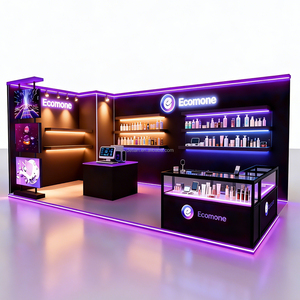
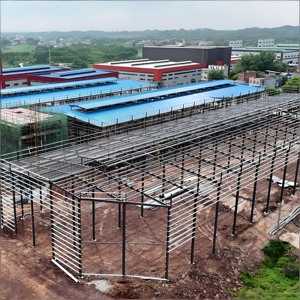
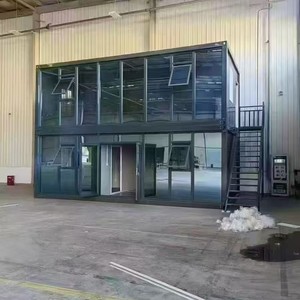
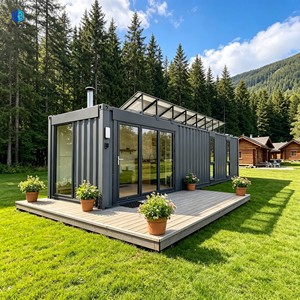
The commercial experiential landscape across Greater London—spanning vibrant economic nodes such as Shoreditch, Southbank Centre, Canary Wharf, ExCeL London, and Greenwich Peninsula—demands an unprecedented level of architectural agility, rapid deployment capability, and strict regulatory compliance. Brand managers, event producers, architectural procurement specialists, and commercial real estate developers face severe site constraints, strict council noise and emissions thresholds, and ultra-short installation windows.
As a premier global exporter of bespoke Event Activation Containers and engineered steel modular structures, our manufacturing pipeline is specifically calibrated to solve the complex logistical realities of the UK capital. From navigating London’s Ultra-Low Emission Zone (ULEZ) transport corridors to fulfilling strict borough-level temporary structure codes (such as Westminster, Tower Hamlets, and Camden planning mandates), offsite prefabricated modular buildings provide a distinct financial and operational advantage over traditional timber or temporary truss builds.
Offsite construction isolates 90% to 95% of structural assembly, electrical fitting, plumbing integration, and architectural finishing within our climate-controlled 40,000 sq. ft. manufacturing facility. This drastically minimizes on-site labor costs, eliminates weather-induced timeline disruptions, and delivers turnkey units directly to London event sites ready for immediate hookup and activation.
To successfully deploy modular structures within London’s urban topography, container architecture must be custom-engineered to meet specific spatial, mechanical, and commercial objectives. Below are the primary deployment vectors where our exported container solutions provide substantial performance gains:
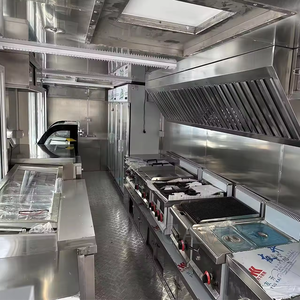
Deployed across food markets like Boxpark Shoreditch, King’s Cross Canopy Market, and Southbank. Our 20ft modified container kitchens feature integrated stainless-steel grease traps, fire-rated insulation (Class 0 / Euroclass A2-s1, d0), heavy-duty 3-phase electrical distribution, and dynamic hydraulic drop-down serving hatches.
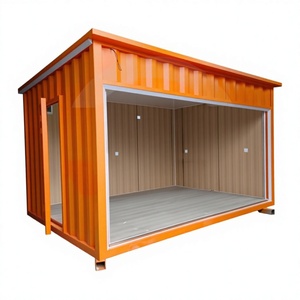
Utilized by global fashion, automotive, and tech brands during London Fashion Week and seasonal pop-up campaigns in Regent Street or Westfield. Units utilize floor-to-ceiling curved double-glazed structural glass walls, aluminum composite cladding, dynamic LED perimeter lighting, and climate-controlled HVAC systems.
Modular 10x20ft and multi-unit side-by-side configurations equipped with SEG fabric lightboxes, integrated AV backdrops, and modular raised floor systems engineered for rapid, tool-less interior assembly within strict hall setup deadlines.
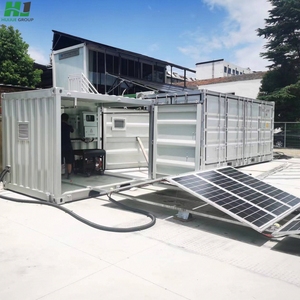
Ideal for eco-conscious activations in Hyde Park, Victoria Park, or Thames Estuary pop-ups. Our IP65-rated foldable solar containers paired with Battery Energy Storage Systems (BESS) deliver clean, silent 400V 50Hz power, replacing noisy diesel generators.
Evaluating building methodologies is critical for UK procurement teams balancing capital expenditure, operational turnaround, and long-term structural longevity.
| Evaluation Vector | Exported ISO Steel Container Conversion | Bespoke Light Steel Frame Modular | Traditional On-Site Timber/Scaffold Build |
|---|---|---|---|
| On-Site Assembly Time | 2 to 6 Hours (Plug & Play) | 1 to 3 Days (Crane Set) | 2 to 4 Weeks (Intensive Trades) |
| Structural Wind Load | Up to 150 mph (ISO Standard Steel) | Engineered per BS EN 1991 (UK Wind) | Variable / Low Wind Resistance |
| UK Planning Compliance | Permitted Dev. (Under 28 days) / Temp Perms | Full UK Building Regs (Part L Compliant) | Full On-Site Planning Approval Required |
| Thermal Insulation | Closed-cell Polyurethane Spray Foam (R-21) | Mineral Wool Sandwich Panels (R-25+) | Standard Cavity Insulation (Variable) |
| Reusability & Life Cycle | 100+ Relocations / 25+ Years | 50+ Relocations / 30+ Years | Single-Use / High Waste Disposal Cost |
| Transport Logistics | Standard ISO Twist-Lock (HIAB / Flatbed) | Standard Modular Flatbed Logistics | Multiple Raw Material Freight Trips |
The UK event infrastructure market is experiencing a profound structural shift driven by sustainability directives, technological integration, and changing consumer expectations. Importers and event agencies serving Greater London must align with three primary macro trends:
London boroughs are increasingly demanding proof of circular construction. Repurposed ISO shipping containers and recyclable Q235B structural steel directly contribute to lower embodied carbon metrics, helping event planners satisfy BREEAM guidelines and municipal ESG standards.
With London’s strict noise-abatement policies in residential-adjacent event sites (such as Battersea Park or Southwark), traditional diesel-powered generators face heavy penalties. Integrated solar-plus-storage container units provide silent, zero-emission power dispatch.
Activations must capture visual mindshare. The integration of high-clarity curved sandwich panel glazing, cantilevered roof terraces, and automated hydraulic awnings allows pop-up structures to function as viral "check-in" landmarks across social media platforms.
Backed by a 40,000 sq. ft. heavy manufacturing plant in Houston, Texas, and a specialized design studio in Denver, Colorado, our employee-owned organization operates at the intersection of architectural design, structural engineering, and international logistics. We do not merely convert containers; we engineer standardized, high-performance structural systems built for rapid global deployment.
Every unit destined for the London market undergoes rigorous Quality Assurance / Quality Control (QA/QC) protocols:
Our global supply chain logistics team coordinates seamless ocean freight shipping to major UK container ports—including Port of London Gateway, Felixstowe, and Southampton—followed by specialized HIAB crane truck delivery directly to your London event venue.
Expert technical responses to key architectural, regulatory, and logistics queries from UK buyers and event procurement managers.
Partner with a global leader in modular architectural exports. Get direct access to structural drawings, factory pricing, and transatlantic delivery timetables.
Send an Inquiry