
Browse our core structural container solutions optimized for extreme sub-zero weather resilience, rapid turn-key deployment, and commercial food & beverage operations.
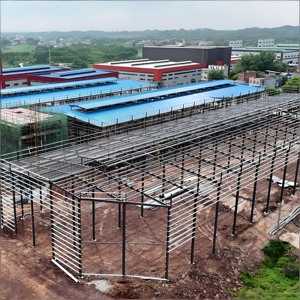
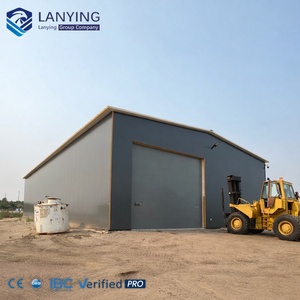
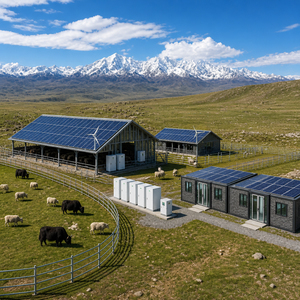
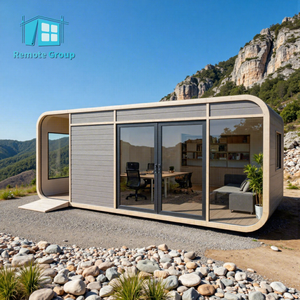
The urban landscape of Moscow and the surrounding Moscow Oblast are undergoing a rapid architectural evolution. Driven by rising commercial real estate lease rates in central administrative districts (CAO) such as Presnensky, Arbat, and Tverskoy, commercial hospitality operators and quick-service restaurant (QSR) chains are increasingly pivoting toward modular, prefabricated container café units. As an established international supplier and direct exporter of ISO-certified steel frame structures and specialized food service container pods, we engineer solutions designed specifically to meet Russian construction norms (SNiP and GOST standards) while surviving the severe climatic swings of Central Russia.
Operating a year-round retail coffee or fast-casual food pod in Moscow requires far more than converting a standard dry-freight shipping container. The extreme winter ambient temperatures, which frequently dip below -25°C, coupled with heavy snow accumulation (Snow Region IV), mandate rigorous structural engineering, high-density polyisocyanurate (PIR) thermal envelopment, integrated electrical floor heating grids, and anti-condensation vapor barriers. Our factory-built modular container café units arrive in Moscow as complete, plug-and-play architectural assets—drastically minimizing on-site municipal permits, civil foundation expenses, and winter construction delays.
How our container café units prevent thermal bridging, eliminate interior condensation, and maintain 22°C interior warmth despite harsh Moscow blizzards.
Standard mineral wool insulation collapses under northern moisture humidity. We utilize 120mm-150mm high-density PIR (Polyisocyanurate) sandwich wall and ceiling panels, achieving superior thermal resistance values that conform to Russian GOST 9573 thermal conductivity specs.
Large panoramic glass windows are vital for customer attraction in modern coffee concepts. Our units incorporate structural aluminum frames equipped with thermal breaks and triple-glazed toughened Low-E glass filled with 90% Argon gas to eliminate frost formation.
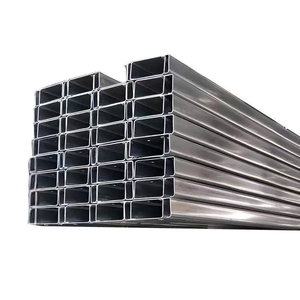
Built with heavy-gauge Q235B steel primary columns and cold-formed structural steel purlins, our roofs are engineered to safely support up to 2.4 kPa (240 kg/m²) snow load, exceeding Moscow’s local SNiP 2.01.07-85 structural safety thresholds.
Information Gain Insight: Unlike basic modded containers that suffer from severe wall condensation (the "container sweating" phenomenon) when heating systems are engaged in winter, our units feature a continuous internal vapor membrane coupled with active intake/exhaust heat-recovery ventilation (HRV). This ensures 45% relative humidity and pristine indoor air quality without frost accumulation on window frames.
Tailored modular configurations designed to maximize footfall conversion across Moscow's unique commercial zones.
Designed with sleek matte metallic exterior paneling and integrated LED perimeter contouring. Ideal for quick placement in high-density pedestrian hubs near Metro stations (e.g., Belorusskaya, Mayakovskaya) where non-permanent, transportable commercial classification accelerates local municipal approvals.
Specifically formatted for winter and summer transitions in public spaces like Gorky Park, VDNH, and Sokolniki. Equipped with dual-folding exterior service awnings, heated queue protection zones, and fast-draining rainwater/snowmelt management gutters.
Double-sided service window layout built for rapid drive-thru throughput along the Moscow Ring Road (MKAD) and major regional arteries (e.g., Novorizhskoye Shosse). Optimized for high-capacity espresso machine electrical loads (380V three-phase power integration).
Evaluating operational timeline, structural performance, and total cost of ownership for commercial buyers.
| Performance Metrics | ROXBOX Modular Container Café | Traditional Masonry / Capital Build |
|---|---|---|
| Municipal Permitting | Fast-Track Non-Permanent Asset Approval | Complex Capital Construction Permit (Up to 12 Months) |
| Winter Deployment Capabilities | Fully Fabricated Off-Site; Installed in 48 Hours | Severely Restricted by Sub-Zero Concrete Curing Limits |
| Thermal Insulation Envelope | 120-150mm PIR Monolithic Core (R-32 Value) | Variable Brick/Fiberglass (High Thermal Bridging Risk) |
| Asset Mobility & Relocation | 100% Relocatable via Standard Container Chassis | Zero Mobility (Permanent Sunk Capital Investment) |
| Snow Load Protection | Engineered Q235B Steel Decking (Up to 240 kg/m²) | Requires Heavy Concrete Slab Roofing Reinforcements |
| Average Project Timeline | 4 to 6 Weeks Manufacturing + 20 Days Transit | 8 to 14 Months On-Site Construction |
Exporting heavy commercial modular buildings into Russian federation territories requires precise coordination across design engineering, anti-corrosion chemical treatment, freight logistics, and customs documentation. Our end-to-end export manufacturing framework guarantees that every container café unit arrives in pristine operational condition, ready for instant utility hookup.
Moscow roads experience high applications of liquid and solid chemical de-icing agents during winter. Standard structural steel quickly oxidizes under these salt-heavy conditions. We apply a multi-stage surface protection system: sandblasting to Sa 2.5 standards followed by a zinc-rich epoxy primer, an intermediate polyurethane coat, and a topcoat rated to C4H/C5M industrial anti-corrosion standards. This guarantees a 25+ year frame lifespan free of structural rust.
All internal wiring is pre-installed within flame-retardant conduit systems, complying with Russian PUE (Electrical Installation Rules). Units include dual voltage distribution boxes, heavy-duty 380V/220V circuitry for commercial coffee grinders, commercial espresso machine boilers, speed ovens, and high-output electric HVAC heat pumps. Plumbing runs are fully insulated with heated trace lines to guarantee pipes never freeze down to -40°C during nighttime shutdowns.
Each container café is structured to exact ISO standard shipping dimensions (20ft High Cube or 40ft High Cube formats) or built as modular flat-pack frames. This enables seamless rail transit along major Eurasian logistics channels directly into Moscow freight terminals (Vorsino, Bely Rast, or Elektrougli), where local crane trucks execute final site placement within hours.
Combining advanced factory automation with dedicated architectural design to deliver market-leading commercial modular units.
Equipped with automated laser cutting, robotic welding arms, and climate-controlled paint booths to ensure zero fabrication tolerance errors across multi-unit retail rollouts.
Our dedicated team of architects and structural engineers handles complete building code adaptation, BIM modeling, and customized interior layouts tailored to your exact kitchen workflow.
Every unit undergoes strict waterproof water-jet testing, insulation thermal-imaging scans, and electrical load simulations before loading into rail freight containers.
Key operational, technical, and regulatory answers for commercial procurement managers.
Work with an experienced international manufacturer to design, build, and export high-performance commercial container café units engineered for Russia's northern climate.