
Explore our high-performance OEM/ODM commercial food kiosks, off-grid energy storage containers, and prefabricated structural modules designed for rapid deployment.
The global hospitality, quick-service restaurant (QSR), and commercial real estate sectors are undergoing a structural shift. Escalating land acquisition costs, lengthy municipal permitting timelines, and traditional construction delays have rendered permanent brick-and-mortar builds increasingly unviable for agile brand expansion. Consequently, procurement directors, franchise executives, and commercial developers are prioritizing engineered OEM/ODM portable food kiosks as high-ROI, rapid-deployment capital assets.
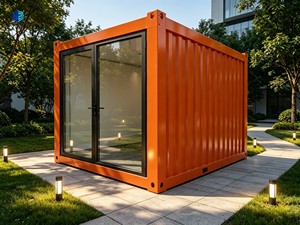
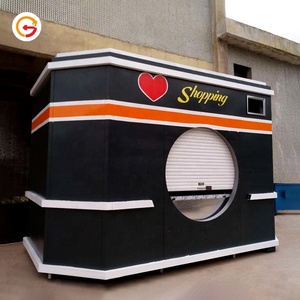
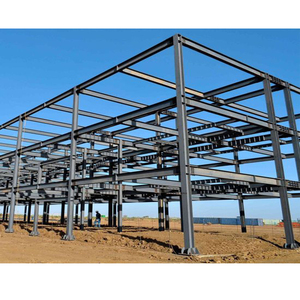
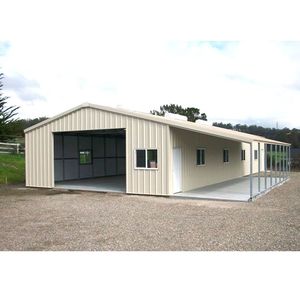
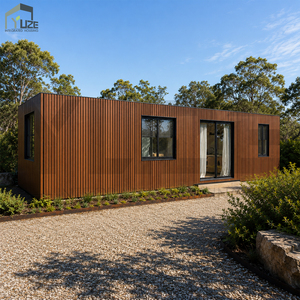
Modern portable food kiosks are no longer rudimentary mobile carts or temporary concessions. Today’s industrial-grade kiosks represent fully integrated, code-compliant architectural units constructed with structural steel chassis, advanced thermally insulated paneling, commercial-grade HVAC systems, and NSF/FDA-standard stainless steel food preparation environments. Whether converted from heavy-duty ISO shipping containers or custom-fabricated using precision cold-formed steel frames, offsite-built kiosks offer unprecedented operational flexibility, brand consistency, and asset mobility.
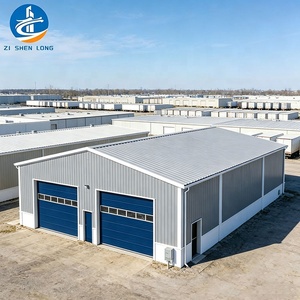
As a specialized OEM/ODM manufacturer backed by a 40,000 sq. ft. precision manufacturing plant, our facility bridges the gap between creative architectural design and rigorous offsite manufacturing. By executing architecture, engineering, MEP (Mechanical, Electrical, Plumbing) integration, and structural fabrication under one roof, we eliminate multi-vendor friction and deliver turn-key commercial food kiosks 30% to 50% faster than traditional on-site construction methods.
To maintain a competitive edge, enterprise buyers and global importers must align their procurement strategies with emerging technical and economic trends shaping the mobile foodservice ecosystem. Semantic search intent data and supply chain metrics highlight four decisive procurement vector shifts over the coming decade:
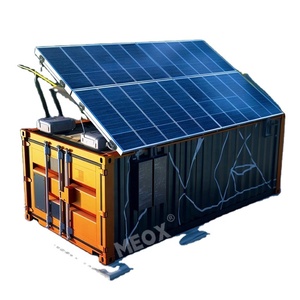
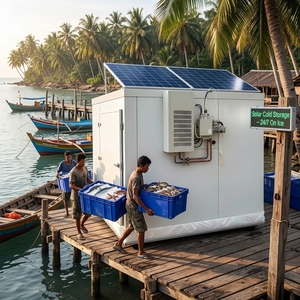
Next-generation food kiosks are transitioning from grid-dependent units to resilient, self-powered modules. Incorporating hybrid lithium battery energy storage systems (BESS) and roof-integrated solar arrays enables seamless operation in remote resort islands, national parks, and urban pop-ups lacking immediate utility hookups.
Enterprise multi-unit buyers are mandating embedded IoT sensors within kiosk distribution panels. Smart telemetry allows operators to remotely monitor internal kitchen temperatures, energy consumption spikes, refrigeration telemetry, and preventative maintenance schedules across entire international fleets.
Franchisors require repeatable dimensional prototypes that can be flat-packed or containerized for standardized intermodal shipping. OEM custom designs now emphasize plug-and-play modular expands, allowing a single 20ft container unit to deploy hydraulic side-walls and double its footprint on site.
Global building codes increasingly mandate non-combustible building envelopes. High-spec OEM food kiosks leverage heavy structural steel framing, mineral wool core insulation, and non-porous antimicrobial interior surfacing to satisfy stringent commercial fire safety and health regulations.
When selecting the ideal structural foundation for commercial food and beverage delivery, procurement officers must weigh performance parameters against capital outlay. Below is a comparative technical analysis evaluating OEM custom steel-frame kiosks, converted ISO shipping containers, and traditional site-built commercial kitchens.
| Evaluation Parameter | OEM/ODM Custom Steel Kiosk | Converted ISO Shipping Container | Traditional Site-Built Structure |
|---|---|---|---|
| Fabrication & Delivery Timeline | Rapid (4–8 Weeks) | Ultra-Fast (3–6 Weeks) | Extended (6–12 Months) |
| Footprint Flexibility | Fully Custom Width, Height & Spans | Fixed Width (8ft), Modular Lengths | Unlimited Layout Flexibility |
| Structural Integrity & Wind Rating | Engineered Steel Framing (up to 150 mph) | Corten Corrugated Steel (High Wind/Load) | Varies by Masonry/Timber Framing |
| Portability & Relocation | High (Integrated Crane/Forklift Pockets) | Exceptional (Standard ISO Logistics) | Zero (Permanent Ground Anchor) |
| Intermodal Export Compatibility | Shipped as Knock-Down or Flat-Pack | Direct Ocean Freight (CSC Certified) | Non-Exportable |
| Off-Grid BESS / Solar Integration | Factory Pre-Wired & Structurally Reinforced | Roof Mount / Add-on Battery Module | High-Cost Retailing Retrofit |
| Depreciation & Asset Value | Equipment Capital Asset (Movable) | Equipment Capital Asset (Movable) | Real Estate Improvement (Fixed) |
As a premier exporter and manufacturer, our engineering capabilities cover every phase of offsite modular fabrication. We partner with commercial clients to transform architectural concepts into fully functional, high-throughput food service environments.
Every portable kiosk begins with a heavy-duty welded steel base frame treated with marine-grade anti-corrosion primers and polyurethane topcoats. Walls are built using high-density polyurethane (PUF) or rockwool sandwich panels, delivering superior thermal coefficient (R-value) insulation. This ensures interior kitchen operators remain comfortable in high-ambient temperature environments like the Middle East or winter resort climates.
Commercial kitchen compliance demands rigorous hygiene standard adherence. Our engineering team installs integrated 304/316 food-grade stainless steel wall cladding, non-slip aluminum checker plate or seamless epoxy flooring with integrated floor drains, fire suppression hood systems (UL 300 rated), grey/fresh water holding tanks, and heavy-duty 3-phase electrical distribution boards tailored to target country voltage specifications (110V-240V / 50Hz-60Hz).
To maximize service counter exposure and customer interaction, our OEM designs incorporate automated hydraulic pop-up service awnings, tempered glass sliding windows, weather-tight canopy extensions, and LED-illuminated architectural signage fascias. When closed, the kiosk secures into a tamper-proof, vandal-resistant steel capsule for overnight peace of mind.
In an international supplier landscape flooded with brokers and trading intermediaries, working directly with a verified design/build manufacturer provides clear operational and financial protection. Our 40,000 sq. ft. Houston facility combines decades of modular structural engineering expertise with employee-owned dedication to craft.
From initial structural CAD engineering and stamping to internal plumbing, electrical wiring, and final freight logistics, you work with one master manufacturer under one contract.
Every kiosk undergoes strict factory acceptance testing (FAT), including high-pressure water leak testing, electrical load stress testing, and structural weld inspections prior to export dispatch.
Our export department handles ocean container loading, protective shrink wrapping, international port customs documentation, and door-to-site delivery arrangements worldwide.
Below are authoritative responses to the primary technical and commercial inquiries submitted by corporate buyers, project managers, and importers when sourcing OEM portable food kiosks.
Speak directly with our modular architectural engineers and export procurement specialists today. We provide full CAD design support, technical budget estimates, and turnkey OEM/ODM manufacturing.