
Factory-direct custom modular solar systems, foldable PV generators, and energy storage containers engineered for extreme environments and off-grid reliability.
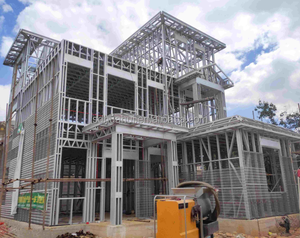
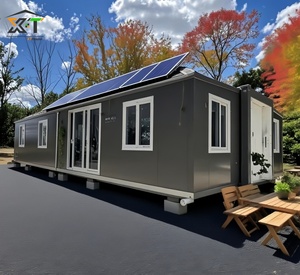
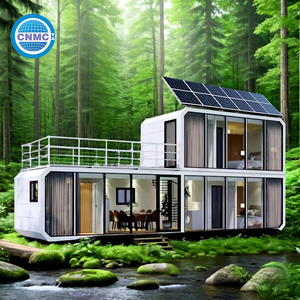
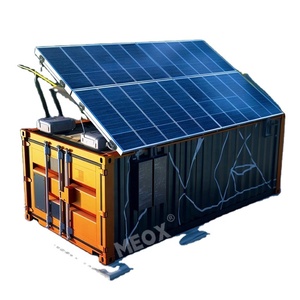
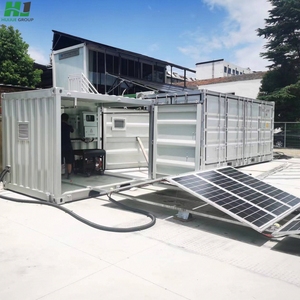
As the global energy transition accelerates, industrial procurement managers, engineering firms, and utility operators are turning to pre-engineered, modular solutions to bridge the gap between rapidly escalating energy requirements and traditional construction timelines. Custom OEM Solar Power Containers represent a revolutionary synthesis of structural engineering, photovoltaics (PV), and high-density energy storage system (BESS) technologies contained within transportable, weather-hardened ISO shipping containers or custom steel chassis.
Unlike fixed utility installations that suffer from lengthy permitting, costly civil site work, and weather-dependent construction delays, turnkey solar power container systems are designed, engineered, and assembled off-site under strict factory-controlled quality management systems (ISO 9001). By integrating solar panel racking, lithium iron phosphate (LiFePO4) battery banks, power conversion systems (PCS), intelligent Energy Management Systems (EMS), and HVAC climate control into standardized containerized footprints, manufacturers enable plug-and-play energy autonomy for remote commercial operations, island communities, emergency backup, and mining sites globally.
Our vertically integrated engineering and manufacturing capabilities deliver unmatched reliability, code compliance, and structural performance.
From initial CAD modeling, structural load calculations, and thermal simulations to stamped architectural drawings, our registered engineers ensure every container satisfies strict international building and electrical codes.
Operated out of our state-of-the-art 40,000 sq. ft. manufacturing plant, all welding, electrical integration, and system diagnostics undergo rigorous multi-stage QA/QC inspections before shipment.
Custom OEM solar power containers adhere to NFPA 855 energy storage safety guidelines, UL 9540 system safety standards, UL 1973 battery certifications, and IP65/NEMA 4X enclosure protection specs.
The solar container industry is undergoing rapid technical evolution, transitioning from basic modified box structures to hyper-optimized, smart energy hubs. OEM manufacturers are pioneering several critical advancements that dictate future procurement requirements:
While standard Lithium Iron Phosphate (LiFePO4) cells remain the benchmark for safety and cycle life (over 6,000 cycles at 80% DoD), next-generation containerized systems incorporate direct liquid-cooling jackets rather than forced-air HVAC systems. Liquid cooling reduces internal temperature variance between cells to under 3°C, extending overall battery lifecycle by 20% and maximizing energy density within standard 20ft and 40ft High Cube containers.
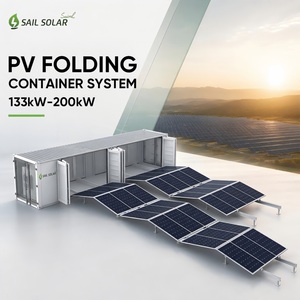
Traditional solar containers required manual ground installation of PV racks upon delivery. Modern custom OEM designs integrate scissor-lift frames, slide-out drawer mechanisms, and hydraulic folding wings that deploy hundreds of square meters of high-efficiency N-Type TOPCon or HJT solar panels within 30 minutes of positioning on-site.
Integrated Energy Management Systems (EMS) now leverage machine learning algorithms to analyze historical load patterns, weather forecasts, and spot electricity prices. The system automatically optimizes energy flow between solar generation, battery storage, diesel generator autostart, and grid tie-in to guarantee continuous operation at minimum operational expense (OPEX).
Safety engineering has advanced significantly in response to global battery storage standards. State-of-the-art solar energy containers feature off-gas detection sensors (detecting hydrogen and carbon monoxide before thermal runaway occurs), aerosol or clean-agent gas fire suppression systems (FK-5-1-12/Novec 1230), structural blast relief vents, and automated thermal isolation barriers between battery racks.
Evaluate key technical parameters and operational benefits across different power generation methodologies.
| Specification / Feature | Custom OEM Solar Container | Diesel Generator Unit | Site-Built Solar Array |
|---|---|---|---|
| Deployment Speed | 1 - 3 Days (Plug & Play) | 1 - 2 Days | 3 - 9 Months |
| Fuel & Operating Cost | Zero fuel cost (Solar + BESS) | Very High ($0.40–$0.80 / kWh) | Zero fuel cost |
| Relocation Ability | High (Standard ISO Freight / Trailer) | High | Permanent (Non-relocatable) |
| Carbon Footprint | Zero Emission Operation | High CO2, NOx & PM Emissions | Zero Emission Operation |
| Maintenance Interval | Minimal (Annual Electrical Check) | Frequent (Every 250-500 Hours) | Moderate |
| Civil Work Requirement | Minimal (Flat Compacted Surface) | Concrete Pad Required | Extensive Foundation & Trenching |
| Lifespan Expectancy | 15 - 25 Years (PV/Container) | 5 - 10 Years (Continuous Duty) | 25 Years |
Direct technical answers to common questions regarding structural customization, electrical engineering, logistics, and compliance.
Containerized solar solutions engineered by our team are actively operating in some of the world's most challenging environments:
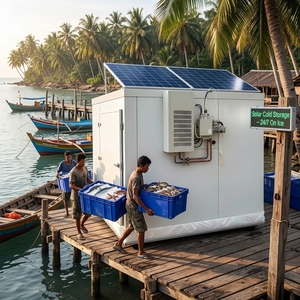
Deploying energy infrastructure in remote island settings often presents severe logistical hurdles. For the Coconut Club project in Exuma, Bahamas, a custom solar container equipped with a deployable PV array and integrated battery storage was shipped ready for deployment. The unit provides clean power to the entire facility, eliminating reliance on costly imported diesel fuel while withstanding salty marine air and tropical storm threats.
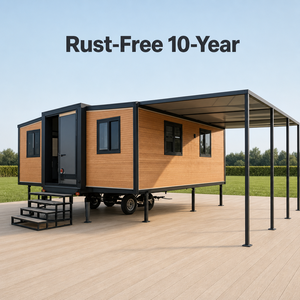
At the Lynn Britt Cabin on Aspen Snowmass, severe terrain and short weather windows made traditional building construction impractical. Leveraging modular steel chassis components prefabricated in our facility, the client successfully installed a high-efficiency modular hospitality and power infrastructure unit in record time, meeting strict high-altitude winter structural load requirements.
Trusted by Global Brands & Enterprise Developers


Connect directly with our engineering and manufacturing specialists to request detailed technical spec sheets, single-line diagrams, and factory-direct OEM pricing.
Get Catalog