
Direct factory recommendations engineered for high structural integrity, rapid deployment, and international code compliance.
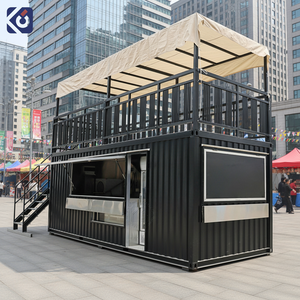
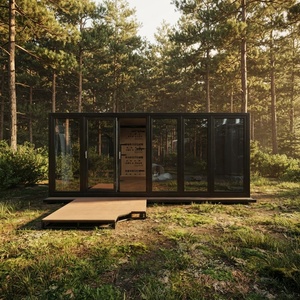
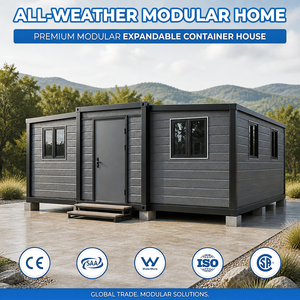
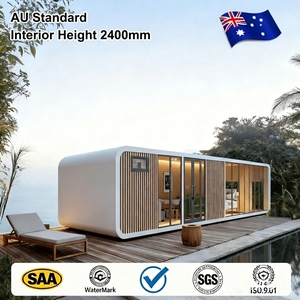
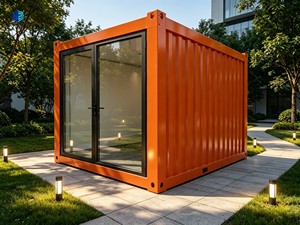
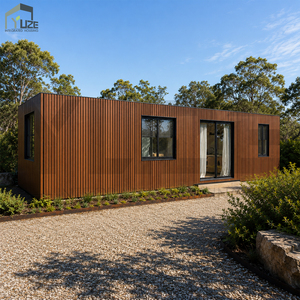
The global demand for container storage units and modular space solutions has transitioned from basic ISO shipping boxes to highly engineered structural modules. Modern commercial developments, off-grid energy storage infrastructures, remote resort developments, and quick-service restaurant (QSR) chains require factory-controlled precision. Chinese manufacturing ecosystems have evolved to fulfill this intent by coupling structural steel framing (SPA-H Corten steel) with advanced offsite MEP (Mechanical, Electrical, and Plumbing) integration.
Leading Chinese exporters no longer focus solely on standardized 20ft and 40ft dry storage boxes. The current market paradigm is dictated by purpose-engineered steel frame chassis, expandable container architectures, insulated mobile office cabins, and hybrid off-grid structures equipped with Battery Energy Storage Systems (BESS) and integrated solar arrays. Procurement leaders are leveraging this industrial shift to accelerate deployment timelines, reduce labor bottlenecks, and secure substantial ROI across global project portfolios.
Evaluating China’s top container storage unit factories requires an in-depth understanding of material chemistry, anti-corrosion treatments, thermal insulation coefficients, and load-bearing parameters. Below is a comprehensive breakdown of technical standards utilized by top-tier exporters:
Utilizing high-tensile atmospheric corrosion-resistant steel with a minimum yield strength of 345 MPa. Ensures longevity under heavy loads, marine salinity, and extreme seismic activity.
Multi-layer zinc-rich epoxy primer followed by heavy-duty polyurethane topcoats. Exceeds 1,500 hours of salt spray testing to prevent structural oxidation in coastal environments.
Factory-installed PIR (Polyisocyanurate), Rockwool, or high-density Polyurethane (PU) cores yielding R-values ranging from R-19 to R-38 for severe freezing or tropical zones.
To provide strategic clarity for procurement officers, architects, and site developers, the following matrix compares purpose-built steel frame modular containers, retrofitted ISO shipping boxes, and traditional site-built structures.
| Evaluation Parameter | Factory Steel Frame Modular | ISO Modified Container | Traditional Site-Built Construction |
|---|---|---|---|
| Project Lead Time | 30–50% Faster (Parallel site & build) | Fastest for standard units | Baseline (High risk of weather delays) |
| Structural Flexibility | Custom spans, clear heights, multi-story | Fixed width/height (ISO dimensions) | Fully custom, extremely costly to modify |
| Quality & Code Compliance | 100% In-factory QA/QC & stamped engineering | Varies by conversion quality | Subject to local trade performance |
| Off-Grid Energy Readiness | Pre-configured for Solar + BESS integration | Retrofitting required | Complex, high-cost field integration |
| Relocation & Resale Value | High mobility; full structural integrity retained | Maximum transportability | Zero mobility (Permanent asset) |
As international supply chains optimize for ESG compliance, carbon footprint reduction, and rapid on-site commissioning, procurement strategies surrounding Chinese container exports are shifting toward four major technological vectors:
Buyers are overwhelmingly favoring storage units pre-fitted with rooftop solar mounting frames, inverter bays, and dedicated lithium BESS enclosures. This enables immediate operational independence for remote sites, island installations, and emergency command centers.
Enterprise procurement now demands automated environmental monitoring. Modern units are outfitted with IoT sensors monitoring internal humidity, temperature, fire suppression systems, and access logging linked directly to centralized cloud management platforms.
Shipping volume optimization is critical. Advanced factory designs utilize hydraulic or mechanical fold-out mechanisms, allowing a standard 20ft shipping footprint to expand into a 3-in-1 modular footprint spanning over 400 square feet upon site placement.
As an employee-owned design and manufacturing authority operating a 40,000 square foot state-of-the-art facility in Houston alongside dedicated engineering studios in Denver, our organization bridges the gap between high-precision Chinese factory production and rigorous international building codes.
By retaining 100% in-house control over architectural design, structural engineering, electrical engineering, factory assembly, and quality assurance, we eliminate fragmented vendor handoffs. Whether deploying luxury hospitality cabins at high altitudes (such as Aspen Snowmass), solar-powered island resorts in the Bahamas, or multi-unit commercial developments, our end-to-end execution guarantees structural integrity, code compliance, and schedule certainty.
Expert answers to critical technical and logistical questions asked by global commercial buyers.
Consult with our engineering team today to review technical specs, request custom architectural drawings, and receive direct factory pricing for your upcoming commercial project.