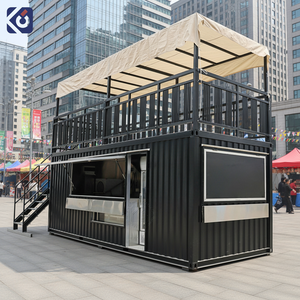

Factory-fabricated, heavy-duty mobile food service kiosks, pop-up container cafes, and fully equipped modular commercial kitchens customized to international health codes.
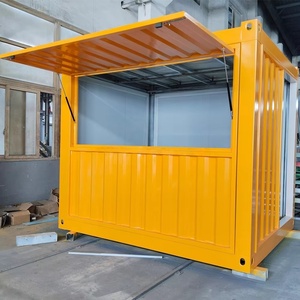
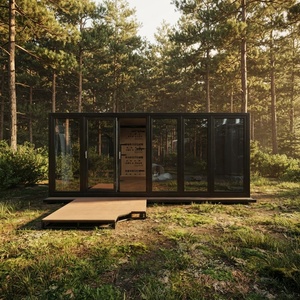
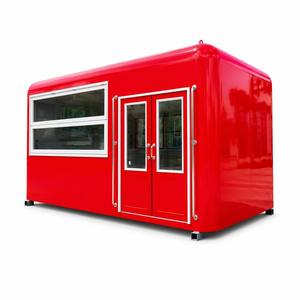
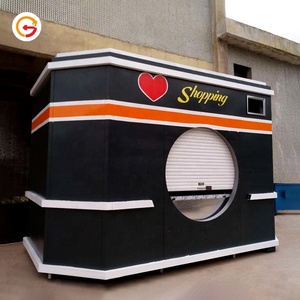
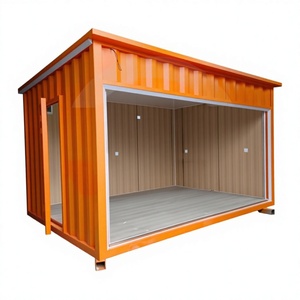
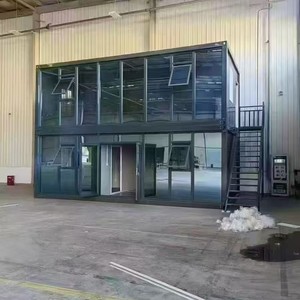
Analyzing global architectural shifts, structural innovations, and low-carbon engineering standards shaping offsite modular catering construction.

The global commercial catering sector is moving rapidly away from lightweight traditional food trailers toward CORTEN-A anti-corrosive ISO container structures. Corten steel offers structural integrity capable of withstanding seismic activity up to Magnitude 8 and wind uplift loads exceeding 150 mph. Modern Chinese manufacturing leaders integrate computerized structural modeling to deliver double-story stackable kiosks, cantilevered serving balconies, and hydraulic drop-down seating decks without compromising framing safety.
Furthermore, structural frames are now pre-treated with zinc-rich epoxy primer coats and fluorocarbon marine-grade coatings, ensuring a minimum 25-year service life under harsh maritime, desert, or extreme winter microclimates.
Modern B2B procurement directors prioritize energy-resilient off-grid operations. High-end container kiosk exports now feature integrated Helios rooftop solar PV arrays paired with Lithium Iron Phosphate (LiFePO4) Battery Energy Storage Systems (BESS). This enables remote beach bars, mountain resort pop-ups, and outdoor festival venues to operate zero-emission refrigeration, POS systems, and LED architectural lighting completely independent of local municipal grids.
Internally, smart power distribution boards monitor load draw per appliance, automatically optimizing energy consumption while offering remote diagnostic telemetry via cloud IoT gateways.

By executing 90% of structural welding, interior wall panelling, electrical conduit routing, and kitchen plumbing inside climate-controlled factories, project timelines shrink by 30% to 50% compared to traditional on-site construction.
Leading Chinese exporters engineer modular kitchens specifically designed to pass stringent regional health inspections including US NSF/ANSI Standard 2, European CE Machinery Directives, and Australian WaterMark plumbing standards.
Container kiosks provide absolute asset mobility. When commercial leases expire or foot-traffic patterns evolve, multi-unit food parks can be disassembled, loaded onto flatbed trailers or cargo vessels, and re-deployed effortlessly.
How international hotel chains, quick-service restaurant (QSR) franchises, and commercial real estate developers optimize supply chains when importing Chinese container kiosks.

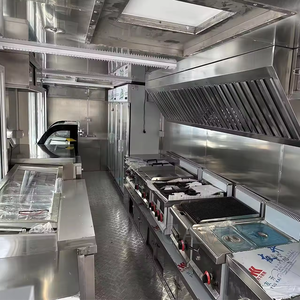
B2B procurement has advanced far beyond standard off-the-shelf container models. Buyers now demand complete BIM (Building Information Modeling) and 3D CAD digital twins prior to steel cutting. Leading Chinese suppliers provide end-to-end OEM customization—integrating specialized commercial food-service equipment such as dual-line deep fryers, heavy-duty espresso machines, curved display freezers, automated exhaust hood grease extractors, and fire suppression systems (ANSUL R-102) directly onto production lines.
Pre-plumbing and pre-wiring inside factory walls eliminate costly field modifications upon port delivery, ensuring true plug-and-play operation.
Top exporters engineer custom electrical panels configured for 110V/220V/380V single-phase or three-phase systems at 50Hz/60Hz, compliant with UL, CSA, or CE electrical codes depending on the target export destination.
By engineering customized units to standard ISO standard dimensions (10ft, 20ft, 40ft High Cube) or constructing knock-down modular frame kits, suppliers optimize ocean shipping volume, saving up to 40% on ocean freight logistics cost via SOC (Shipper Owned Container) status.
Evaluating structural, financial, and operational metrics across modular steel container kiosks, light-steel mobile trailers, and traditional brick-and-mortar builds.
| Evaluation Parameter | Corten ISO Container Kiosk | Mobile Food Trailer / Van | Traditional On-Site Build |
|---|---|---|---|
| Structural Lifespan | 25 – 30+ Years (Corten Steel) | 8 – 12 Years (Aluminum/Plywood) | 50+ Years (Masonry/Concrete) |
| Deployment Timeline | 3 to 6 Weeks (Factory Turnkey) | 2 to 4 Weeks | 6 to 12 Months |
| Wind & Seismic Resistance | Extreme (150+ mph wind rating) | Low (Vulnerable to severe storms) | High (Site engineered) |
| Thermal Insulation | PUR/PIR Sandwich Panel (R-16 to R-24) | Basic EPS / Fiberglass (R-6) | Variable (R-13 to R-30) |
| Asset Mobility | Highly Mobile (Crane / Flatbed Trailer) | Towable via Vehicle Hitch | Permanent (Zero relocation value) |
| Kitchen Equipment Payload | Heavy Duty (Commercial Stainless Steel) | Light to Medium Duty | Unlimited Payload |
| Permitting / Health Code Pass Rate | High (Factory Pre-engineered NSF/CE) | Moderate (Varies by local vehicle code) | Requires Full Local Architecture Reviews |
Leveraging over 40,000 sq. ft. of advanced manufacturing space, in-house architectural engineering, and stringent Quality Control protocols.
Our climate-controlled production lines house automated fiber laser cutting machines, robotic MIG welding stations, and high-capacity overhead cranes capable of assembling up to 150 turnkey container structures simultaneously per month.
We eliminate expensive middleman design agencies. Our certified structural engineers, MEP designers, and commercial kitchen experts develop complete CAD schematics, 3D renderings, and stamped structural calculations in-house.
Every single container kiosk undergoes rigorous factory testing prior to loading, including 24-hour high-pressure water spray leak checks, full electrical load testing, plumbing pressure tests, and kitchen equipment stress audits.
Our container kiosks have been exported to over 60 countries across North America, Europe, the Middle East, Australia, and the Caribbean—trusted by major resort operators, QSR franchises, and event management firms.
Kitchen interiors feature seamless 304 food-grade stainless steel wall cladding, non-slip aluminum checkered plate flooring with integrated floor drains (scuppers), and sealed anti-bacterial silicone joints for effortless wash-downs.
Our operational model ensures every craftsman, welder, designer, and project manager is personally invested in project success, maintaining unmatched attention to detail from contract signing to final site delivery.

From high-altitude alpine ski resorts requiring extreme snow-load engineering to remote tropical Caribbean island beach clubs powered by solar arrays, our custom container kiosks deliver uncompromising commercial performance under any climate condition.
Our off-site modular build workflow allowed the resort client to complete on-site installation within a tight 72-hour crane window, minimizing disruption to surrounding commercial guest operations.
Consult With Our Project EngineersClear, detailed answers regarding compliance, customization, shipping, lead times, and structural durability when importing container food kiosks from China.
Partner with China's premier manufacturer and exporter of commercial modular container units. Request custom CAD blueprints, technical specifications, and factory-direct wholesale pricing today.
Contact Our Engineering Team