
Explore our export-ready prefabricated living pods, industrial steel modular structures, and hybrid energy shelter systems engineered for international commercial & residential projects.
Combining heavy-duty structural steel engineering with advanced thermal insulation and turnkey interior fit-outs.
In modern offsite construction, procuring container living pods from China requires navigating structural safety standards, thermal performance compliance, and global delivery logistics. As a pioneering manufacturer backed by a 40,000 sq. ft. modern fabrication facility, our production architecture bridges high-capacity automated steel manufacturing with meticulous interior design execution.
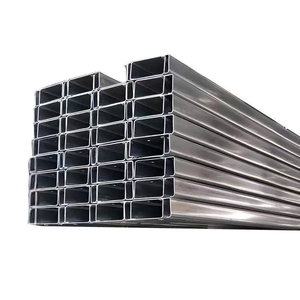
Fabricated using heavy-gauge Q355B steel framing with continuous robotic welding. Designed to comply with IBC (International Building Code) deflection thresholds (L/360) under full operational dead and live loads.
Eliminating thermal bridging through polyurethane (PU) direct-foam injection and PIR sandwich panels (R-value up to R-32), achieving U-values low as 0.20 W/m²K for extreme alpine or tropical deployments.
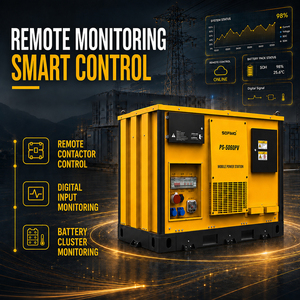
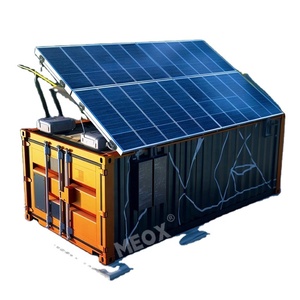
Seamlessly integrated Helios solar microgrids and Battery Energy Storage Systems (BESS, 500kW–1MW capability) engineered for remote island resorts, mining camps, and off-grid emergency command pods.
Our fully integrated design-build model streamlines procurement by centralizing architectural design, MEP (Mechanical, Electrical, Plumbing) engineering, factory manufacturing, and third-party inspection management under one roof. By completing over 90% of structural, decorative, and electrical work inside our climate-controlled plant, site installation timelines are reduced by up to 50% compared to traditional on-site construction methods.
Whether you are developing a luxury glamping eco-resort, expanding a fast-casual QSR (Quick Service Restaurant) footprint, or deploying rugged workforce housing in harsh climates, choosing the right pod typology is crucial for long-term ROI.
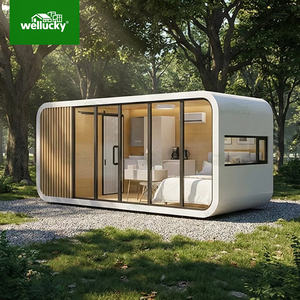
Designed with curved aluminum exterior cladding, panoramic double-glazed low-E glass walls, and integrated smart home automation systems. Apple Pods offer turnkey resort accommodations that require minimal foundation work (screw piles or concrete pads), preserving sensitive natural landscapes while providing high REVPAR (Revenue Per Available Room) for eco-hospitality operators.
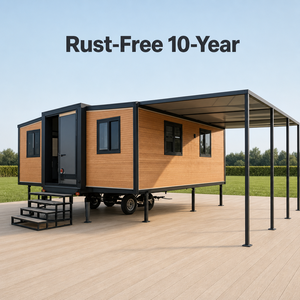
Optimized for low-cost ocean freight logistics, 20ft and 40ft folding container pods expand into double or triple their transport footprint upon arrival. Equipped with pre-installed plumbing manifolds, hydraulic folding mechanisms, and integrated insulation panels, these living pods allow single-operator setup within 2 to 4 hours, making them ideal for granny flats, disaster relief units, and mobile field offices.
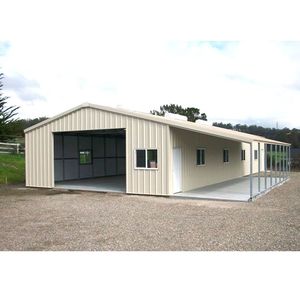
For urban infill, workforce housing projects, and student apartments, multi-story steel frame modular units utilize standardized ISO twist-lock structural corner castings. Engineered for structural stacking up to 6 stories without additional external structural framing, these units meet rigorous seismic isolation requirements (Up to Richter Scale 8) and fire resistance ratings (REI 120 / Class A non-combustible material specs).
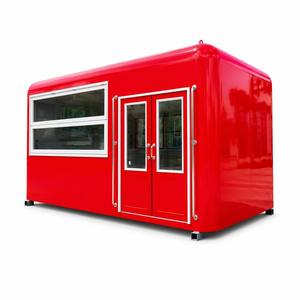
Purpose-built mobile retail kiosks, container coffee shops, and drive-thru food service pods built with food-grade 304 stainless steel wall paneling, commercial exhaust hoods, fire suppression systems, and heavy-duty floor drainage. Ready to plug directly into site utilities or run off-grid using hybrid solar battery shelters.
The global offsite modular housing market is undergoing a rapid evolution driven by stringent energy efficiency mandates, rising site labor costs, and the demand for zero-emission building lifecycles. Overseas developers and institutional buyers must realign their procurement strategies to capture these emerging technological developments:
Procuring modular buildings directly from Chinese manufacturing hubs has shifted from simple price-per-unit transactions to long-term strategic supply chain partnerships. Key procurement trends include:
Buyers prioritize living pod systems designed to fit standard ISO 40ft High Cube (40HQ) containers. By shipping 4 flat-packed units per 40HQ container, ocean freight expenditure drops by over 65% compared to fully assembled pod shipments.
Tier-1 manufacturers now provide region-specific structural stamping (e.g., US PE Stamped Engineering, Australian NCC/AS3000 compliance, UK CE/UKCA marking), streamlining municipal permit approvals prior to ocean dispatch.
Institutional procurement managers evaluate Total Cost of Ownership (TCO), focusing on energy consumption metrics, thermal insulation longevity, anti-corrosion coating warranties, and residual asset value.
Use this technical decision matrix to compare core performance parameters across offsite steel living pods, modified shipping containers, and conventional onsite construction.
| Performance Metric | Purpose-Built Container Pods | Modified ISO Containers | Traditional Onsite Construction |
|---|---|---|---|
| Structural Frame Steel | Q355B Heavy Cold-Formed Steel | CORTEN Steel Ribbed Shell | Site Concrete / Timber Frame |
| Onsite Build Time Reduction | 40% to 60% Faster | 30% to 40% Faster | Baseline Reference (Slowest) |
| Thermal Bridge Mitigation | Complete Thermal Break Design | Requires Internal Framing/Insulation | Standard Cavity Insulation |
| Custom Width/Length Ratios | Fully Customizable Dimensions | Fixed Width (8ft / 2.438m) | Fully Flexible Design |
| Ocean Shipping Optimization | High (Flat-pack or ISO Corner Castings) | High (Standard Shipping Container) | N/A (Raw Material Shipping) |
| Anticorrosion Lifespan | 25–50 Years (C5-M Coating Options) | 15–25 Years (Requires Retouching) | Varies by Exterior Finish |
Transform your development project with high-performance modular architecture. Contact our engineering team today for technical CAD/BIM consultation, customized price quotes, and global supply chain support.
Contact Us