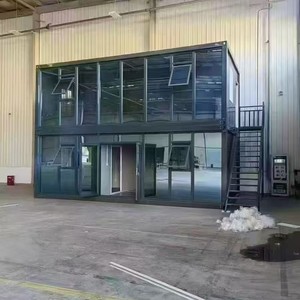

Factory-assembled, CE-certified turnkey containers engineered for extreme environments, commercial power backup, and rapid site deployment.
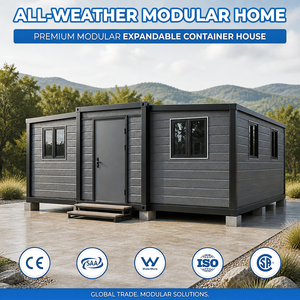
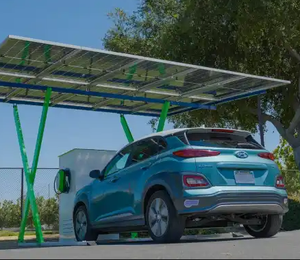
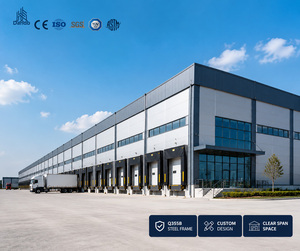
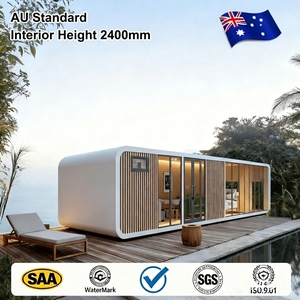
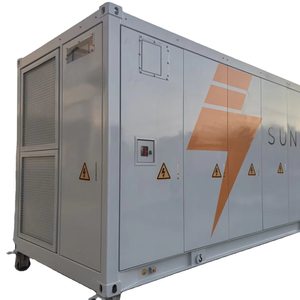
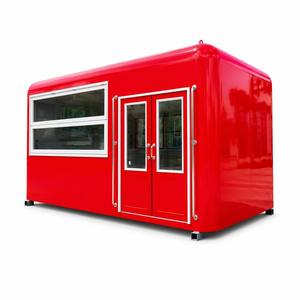
As the global clean energy transition accelerates, industrial EPCs, commercial developers, and off-grid facility operators require energy solutions that combine extreme structural durability with rapid deployment metrics. A CE Certified Solar Container System represents the peak of offsite modular engineering: a fully integrated, self-contained microgrid housing photovoltaic array controllers, high-density Lithium Iron Phosphate (LiFePO4) Battery Energy Storage Systems (BESS), smart bi-directional inverters, and climate-controlled thermal management loops inside an ISO-certified weathering steel (CORTEN) chassis.
Information Gain Insight: Unlike standard off-grid solar kits that suffer from site integration delays, system mismatching, and unverified safety compliances, CE-certified factory-built solar containers undergo full load-bank testing, dielectric withstand verification, and electromagnetic compatibility (EMC) screening before exiting the manufacturing facility floor.
Our manufacturing philosophy leverages end-to-end offsite modular fabrication. By synchronizing structural framing, high-efficiency monocrystalline solar array folding mechanisms, and tier-1 battery integration under strict ISO 9001 standards, client project timelines are compressed by 30% to 50% compared to traditional field-assembled solar installations. Whether deployed in remote mining sites, Caribbean resorts, telecom datacenters, or emergency disaster recovery sectors, these modular solar containers eliminate site labor dependencies while ensuring compliance with European Union Low Voltage Directive (LVD 2014/35/EU) and Electromagnetic Compatibility Directive (EMC 2014/30/EU).
Integrated rack-mounted battery modules featuring cell-level thermal monitoring, active balancing, and IEC 62619 safety certification for over 6,000 deep discharge cycles.
Built with heavy-duty structural steel frames engineered to withstand C5-I corrosive marine zones, seismic forces, and wind loads exceeding 240 km/h.
Automated industrial HVAC climate loops paired with AI-driven Energy Management Systems (EMS) for intelligent peak shaving and remote cloud monitoring.
B2B procurement managers and site project engineers face stringent economic and environmental metrics. The technical framework below highlights the operational operational superiorities of factory-engineered CE solar containers over traditional fuel-burning generator configurations:
| Evaluation Parameter | CE Certified Solar Container System | Conventional Industrial Diesel Genset | Hybrid Modular Grid Station |
|---|---|---|---|
| Primary Energy Source | Solar PV Panels + Integrated LFP BESS | Diesel Fuel (High OPEX dependence) | Solar + Wind + BESS + Diesel Backup |
| CE Compliance Standard | EN 61439-1, EN 62109-1, LVD & EMC Certified | Engine Exhaust Directives (Limited Clean Compliance) | EN 61439-1, IEC 62619, CE Marked |
| Levelized Cost of Energy (LCOE) | $0.04 - $0.07 / kWh (25-year lifespan) | $0.28 - $0.55 / kWh (Fuel price volatile) | $0.05 - $0.09 / kWh |
| Acoustic Emission | Silent Operation (<35 dB ambient) | High Noise Hazard (85 - 105 dB) | Silent (<40 dB during BESS mode) |
| Maintenance Interval | Annual Inspection (No oil/filters) | Every 250 - 500 Operating Hours | Bi-annual HVAC & Battery Diagnostics |
| Site Commissioning Speed | Plug-and-Play (< 4 Hours) | Moderate Setup Required | Fast Deployment (< 1 Day) |
As an employee-owned design and build modular manufacturing firm operating out of a 40,000 sq. ft. flagship facility in Houston, Texas, supported by an advanced architectural design studio in Denver, Colorado, we control every critical phase of containerized solar systems production. Unlike assemblers who source unverified components, our turnkey process brings architecture, electrical engineering, software integration, structural welding, and CE testing under one single roof.
Licensed structural and electrical engineers manage structural calculations, wind load resistance modeling, and sub-system integration for custom BESS containers.
From frame coating thickness gauges to high-voltage insulation tests, every step is logged to meet rigorous international trade and engineering safety regulations.
Experience in shipping custom modular units to international locations, island microgrids (e.g., Exuma Bahamas), ski resorts (Aspen Snowmass), and high-altitude mining sites.
Procurement directors and utility stakeholders navigating clean energy supply chains must prepare for major structural shifts in containerized power systems over the coming decade:
1. Escalation of LFP Cell Energy Densities and Liquid Cooling Dominance: Future modular container tenders will require 20ft ISO containers to deliver over 5MWh of usable energy capacity. Liquid-cooling systems are rapidly replacing air-conditioned enclosures, reducing internal parasitic loads by 40% while ensuring uniform temperature distribution across battery modules.
2. Mandatory Lifecycle Carbon Accounting & CE Digital Product Passports: European and North American buyers are increasingly mandating full ESG traceability. Future CE certifications will integrate Digital Product Passports (DPP) documenting raw material sourcing, battery chemistry recycling readiness, and factory manufacturing emissions metrics.
3. Standardized Plug-and-Play Microgrid Topologies: Procurement is moving away from bespoke site-assembled solar projects toward factory-preconfigured, modular containerized units. Standardized AC/DC coupling interfaces allow multi-container clustering, enabling developers to expand microgrid capacities from 500kW to 10MW with zero downtime.
The convergence of advanced power electronics, materials science, and artificial intelligence is reshaping containerized solar power systems:
AI-Driven Predictive Energy Management Systems (EMS): Modern solar containers are transitioning from passive energy storage to self-learning grid nodes. Integrated Edge-AI controllers analyze local weather forecasts, real-time electricity spot prices, and site consumption loads to optimize battery charge/discharge cycles autonomously, maximizing ROI for commercial users.
Bi-Directional Ultra-Fast EV Charging Hub Integration: Next-generation solar container units are equipped with high-power DC fast-charging ports (up to 360kW). This allows heavy machinery fleets, commercial delivery vans, and off-grid electric vehicles to charge directly from solar-buffered energy without overloading local distribution transformers.
Solid-State Battery Readiness & Enhanced Fire Suppression: Next-generation enclosures are designed with modular rack spaces capable of seamlessly transitioning from current LiFePO4 chemistry to solid-state energy cells. Coupled with multi-stage aerosol and Novec 1230 gas suppression systems, safety standards exceed NFPA 855 requirements.
Detailed technical and commercial guidance to assist engineering leads, EPC contractors, and procurement officers.
Connect with our engineering and technical sales teams to request detailed structural drawings, customized load profile analyses, and certified CE compliance documentation.