0%

Custom Container Bars are moving beyond novelty installations. Global buyers now expect adaptable hospitality spaces, faster deployment, and measurable operational value. UNCTAD’s Review of Maritime Transport 2024 confirms that more than 80% of world merchandise trade by volume moves by sea. This supply-chain reality keeps container-based construction globally accessible, while freight-rate volatility reported by Drewry shows why delivery planning still requires caution.

The 2026 market will likely feature several practical formats. Compact pop-up bars suit festivals, resorts, and temporary retail zones. Expanded side-opening bars create wider service fronts and better customer flow. Rooftop container bars add visual impact in urban venues. Modular multi-container lounges support larger hotels, breweries, and event spaces. Mobile bar units remain useful for buyers serving seasonal locations. Each design needs more than attractive cladding. Buyers should review ISO container dimensions, CSC-related safety requirements, structural reinforcement, ventilation, drainage, insulation, and local electrical and fire codes.

Details matter. A refrigerated counter needs protected power circuits. A coastal bar needs corrosion-resistant coatings. A narrow service window can slow every order. Industry reports offer useful direction, but they cannot replace site-specific engineering. The category is not perfectly standardized. That is an uncomfortable truth. Factory quality can vary between suppliers, even when their images look similar. This guide examines the top types of Custom Container Bars for global buyers, comparing layout, mobility, customization, maintenance, and long-term suitability. The best choice may not be the most dramatic one. It may be the quiet unit that opens on time, stays safe, and performs reliably for years.
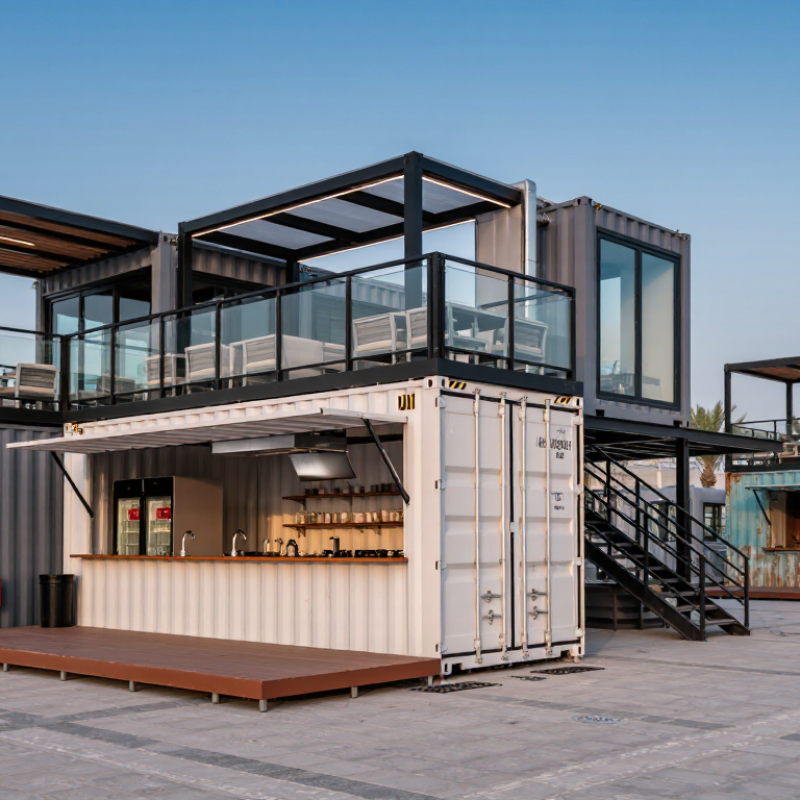
2026 Top Types of Custom Container Bars for Global Buyers

What Defines a Custom Container Bar in 2026

What Defines a Custom Container Bar in 2026

A custom container bar is more than a counter fitted inside a steel box. It is a planned hospitality space built around a container’s structure, intended location, and daily service needs. Customization may include serving windows, fold-down decks, bar shelving, lighting, and branded finishes. The exact layout depends on staff movement, customer access, and the equipment being installed.

Good planning starts with the container itself. Cutting large openings can affect structural strength, so the design may require reinforced frames around windows and doors. Insulation, ventilation, and climate control matter too, especially when temperatures shift between seasons. Interior details should be practical: washable surfaces, protected electrical connections, and enough clearance behind the counter. Small oversights can become expensive.

For global buyers, “custom” also means adapting the unit to its destination. Transport dimensions, site access, utilities, climate, and local building requirements should be checked before fabrication. Ask for clear drawings, material specifications, and details about the intended installation. A sleek rendering is helpful, but it cannot show every service constraint. Some decisions may still need revision after a site assessment. That is normal, though easy to underestimate.

Main Types of Custom Container Bars by Design and Use

Custom container bars vary by layout, service style, and operating conditions. An open-sided bar uses a wide serving hatch, fold-down counter, and simple queue area. It suits outdoor events and seasonal venues. Guests can see the drinks being prepared. Shade and rain protection need careful planning, though. A narrow roof overhang may not shield staff during wind-driven rain.

An enclosed container bar offers a more controlled workspace. Insulated walls, compact refrigeration, handwashing facilities, and lockable storage support regular service. This design works well for permanent sites or locations with changing weather. The trade-off is limited interior space. Door swings, equipment, and staff movement can compete for the same few feet.

Some buyers choose a mobile pop-up layout, with a serving window on one side and storage behind the counter. It can be repositioned between events, but frequent transport may require sturdier fixtures and secure equipment mounts. Modular designs use linked containers to separate preparation, service, and customer seating. More room helps during busy periods. But added sections can increase setup time and utility planning.

Before choosing, measure the actual site, list essential equipment, and map staff movements during a busy service. Small details matter. Even a misplaced refrigerator can slow the line. A floor plan is useful, but real workflows sometimes prove different.

How Container Bar Layouts Adapt to Different Venues

2026 Top Types of Custom Container Bars for Global Buyers

How Container Bar Layouts Adapt to Different Venues

A container bar should fit the way people move through a venue, not just look striking in photos. In a narrow courtyard, a single service opening can reduce queues and keep staff circulation clear. Leave room behind the counter for a refrigerator, handwashing station, and safe movement. Tight layouts look efficient until two staff members need the same space.

For festivals, a longer counter with several service points can handle brief rushes better. Place payment and pickup areas apart where possible. This small change can prevent guests from crowding the entrance. At a hotel terrace, a compact L-shaped bar may preserve seating while giving staff access to storage. Measure the route for deliveries, too; a beautiful layout is less useful if supplies cannot reach it.

Coastal pop-ups and rooftop venues bring different demands. Shade, wind exposure, drainage, and uneven ground can affect where doors and serving windows should go. A side-opening layout may offer shelter, but it can also narrow the guest approach. Test the plan with tape on the ground before fabrication. It is not a perfect prediction, but it can reveal awkward turns and blocked sightlines. Real venue measurements matter more than a standard floor plan.

Customization Options for Branding, Equipment, and Service

A custom container bar should make its purpose clear before guests reach the counter. Branding can start with exterior color, a cut-metal sign, or a simple graphic panel. Keep key messages readable from the queue, not just in close-up photos. For evening service, test colors under the actual site lighting; a shade that looks rich indoors may disappear outside. Small details matter. Matching menu boards and staff aprons can create a more coherent look without covering every surface.

Equipment choices should follow the menu and expected workflow. A coffee bar may need a handwashing sink, under-counter refrigeration, and a clear route for power and water connections. A cocktail setup has different storage and rinsing needs. Confirm equipment dimensions, ventilation, utility capacity, and access for maintenance before finalizing the layout. Service features deserve equal attention: choose a serving hatch that suits the queue, add weather protection where needed, and plan storage for daily supplies. It is easy to overdesign. A crowded counter can slow staff down, even when it looks impressive in a rendering. Leave room to adjust after a real service trial.

How Global Buyers Can Compare Container Bar Solutions

Global buyers should compare fixed-site, mobile, and expandable container bars by use case, not appearance alone. A fixed 20-foot unit suits a compact venue with predictable demand; a 40-foot layout offers more room for service and storage. ISO 668 defines standard container dimensions, but insulation, wall thickness, and service openings reduce usable interior space. Measure the finished layout, not just the shell.

Transport and installation can change the real cost. UNCTAD’s Review of Maritime Transport 2024 reports that shipping carries over 80% of world trade by volume, making shipping dimensions and handling plans important for cross-border projects. Ask suppliers for packed dimensions, lifting points, and utility connection drawings. Mobile bars may need less site preparation, but repeated transport can expose weak joints. Expandable models create more serving space, yet their moving sections need careful weather sealing. Small details matter.

Compare electrical load, ventilation, plumbing access, and local service support before comparing quotes. The IEA’s 2024 Global Status Report for Buildings and Construction attributes about 32% of global energy use and 34% of energy-related CO2 emissions to buildings and construction. These are sector-wide figures, not container-bar benchmarks, but they support checking operating efficiency as well as purchase price. Request appliance schedules and expected power demand. Then verify materials and finishes against the actual climate. A spreadsheet can miss condensation around a cold-room door; that is an easy detail to underestimate.

FAQS

What makes a container bar custom?

It is designed around its location, structure, equipment, and daily service needs. Features may include serving windows, shelving, lighting, and fold-down decks.

Why should structural strength be checked?

Large openings can weaken a container. Reinforced frames may be needed around windows and doors. It is easy to overlook this.

What should be planned inside the bar?

Allow space for staff, refrigeration, handwashing, storage, and utility connections. Use washable surfaces and protect electrical connections.

How can a layout suit a narrow courtyard?

A single service window can help control queues and keep staff movement clear. Measure the space behind the counter carefully.

What layout works well for a festival?

A longer counter with separate payment and pickup areas may reduce crowding during busy periods. Small changes help.

What should be checked before fabrication?

Confirm transport dimensions, site access, utilities, climate, and local building requirements. Clear drawings are useful, but site checks still matter.

How should equipment choices be made?

Match equipment to the menu and workflow. Check its size, ventilation, power, water, and maintenance access before fixing the layout.

How can exterior details improve service?

Readable signs, suitable lighting, and weather protection can help guests find the counter. Test colors at the actual venue, especially after dark.

Conclusion

Custom Container Bars combine the mobility and modular structure of shipping containers with the practical features of a bar or serving space. In 2026, common options include compact pop-up bars, mobile event bars, permanent venue installations, and larger multi-container setups. Each type can be configured for different service styles, customer capacity, and operating environments.

Layouts can be adapted to fit indoor or outdoor venues, available space, customer flow, and access needs. Buyers can also choose finishes, colors, signage, serving windows, lighting, storage, and equipment to support their intended use and visual identity. When comparing Custom Container Bars, consider dimensions, transport and installation requirements, layout flexibility, equipment compatibility, durability, customization scope, and ongoing maintenance. A clear comparison of these factors helps global buyers identify a solution that suits their venue, service needs, and budget.

Olivia

Olivia

Olivia is a professional marketing specialist with a strong understanding of the company’s products, their practical applications, and the needs of the customers they serve. She regularly contributes expert articles to the company website, sharing clear, useful information that helps readers......