0%

In 2026, a pop-up store may appear in a busy shopping center, a neighborhood plaza, or a temporary event space. The right Pop-Up Retail Containers can help turn that location into a practical, welcoming retail environment. Yet choosing one involves more than picking an attractive exterior. Retailers need to consider available space, setup time, product protection, customer flow, and how easily the unit can be moved or stored.

Small details matter. A narrow entrance can slow visitors, while poor lighting may hide products on a cloudy afternoon. A container that looks impressive in a rendering may feel cramped once shelves, staff, and customers are inside. Fit matters. Reliable decisions start with real measurements, clear operating needs, and honest conversations with suppliers about materials, access, installation, and maintenance. Specifications should be checked against the intended site rather than assumed to work everywhere.

This guide explores how to compare layouts, construction options, transport requirements, accessibility, branding, and total ownership costs. It also looks at questions worth asking before signing an order, including what happens if delivery dates shift or a component needs repair. No single design suits every retailer. A modest unit may be the better choice for a short seasonal campaign, while a more adaptable structure could serve repeated launches. Plans can change, too. The goal is not to predict every challenge, but to choose a container that supports the customer experience and can be managed realistically.
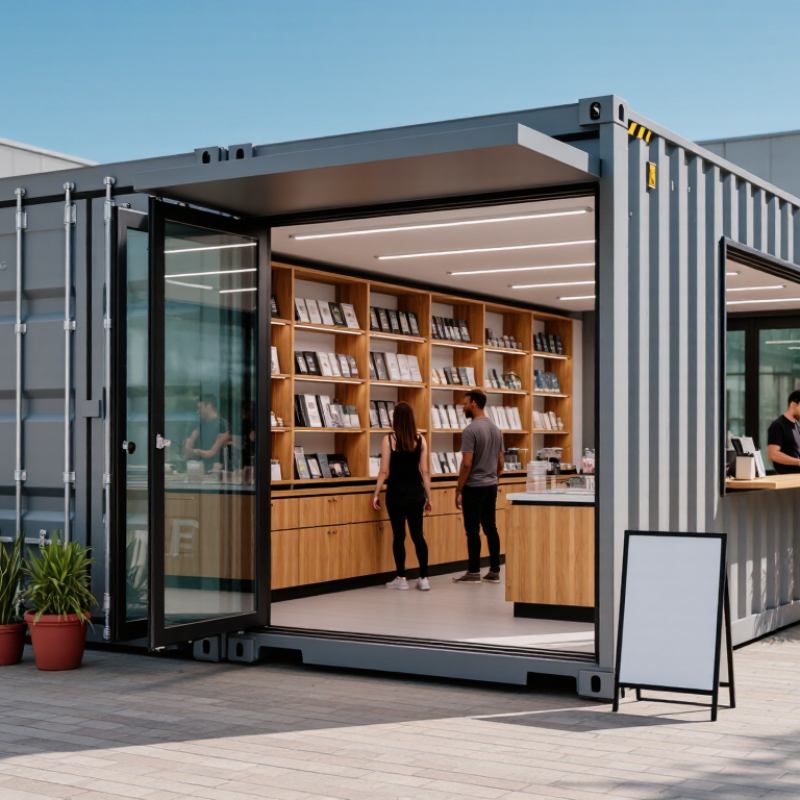
How to Choose Pop Up Retail Containers in 2026?

Understanding Pop-Up Retail Containers and Their Main Uses

Pop-up retail containers are movable, self-contained spaces adapted for short-term selling, sampling, or customer experiences. They may use modular panels or converted container-style structures, with doors, windows, lighting, and shelving arranged for a specific site. A small unit can hold a checkout counter, a few product displays, and storage beneath the shelves. Small footprint. That makes these spaces useful in plazas, event grounds, parking areas, and temporary shopping districts.

Their main uses include seasonal shops, product launches, market stalls, and mobile showrooms. A food vendor may need washable surfaces, power, and a serving hatch; a clothing seller may need mirrors, rails, and clear circulation. The layout should match what people actually do inside. If customers must queue, leave room for them without blocking the entrance. Check delivery access, ground level, utilities, ventilation, and weather protection before choosing a unit. A container is not automatically cheaper or easier to place than a conventional temporary shop. It can feel boxy, too. Sketching the customer path and testing a full-size floor plan with tape can reveal awkward corners before setup.

Identifying Space, Location, and Operational Requirements

A pop-up retail container should fit the way you sell, not just the space available. Measure the site, including access routes, door swings, overhead clearance, and the ground beneath the unit. A container that fits on a plan may still block a walkway or sit unevenly on sloped paving. Bring a tape measure and mark the intended footprint before confirming dimensions.

Location shapes the layout. A busy pedestrian street may need a wide, visible entrance and room for customers to pause without forming a queue across the sidewalk. In a quieter market, storage and a sheltered checkout may matter more. Check sun exposure, wind, nearby power access, and delivery times. Small details matter. A few hours of afternoon glare can make product displays harder to see.

Operational needs are easy to underestimate. List daily stock, staff numbers, equipment, waste storage, and the steps required to open and close. Then check whether the available doors and internal space support those tasks. Keep customer areas separate from restocking where possible. A neat layout on paper can feel cramped once shelves and people arrive. It is worth allowing extra room, though that may reduce display capacity. Review the plan with the people who will work inside; they often spot awkward movements that measurements miss.

How to Choose Pop-Up Retail Containers in 2026

Compare common shipping-container footprints, then check site access, local permits, utilities, and customer flow before choosing a format.

Approximate external footprints use nominal dimensions of 8 feet wide by 20 or 40 feet long. Usable interior space is smaller; confirm exact dimensions and site requirements with the supplier and local authorities.

Comparing Container Types, Layouts, and Customization Options

How to Choose Pop Up Retail Containers in 2026?

Comparing Container Types, Layouts, and Customization Options

A converted shipping container offers a sturdy shell and a distinct street presence, but transport and installation can be costly. A mobile trailer suits short tours and changing locations; a modular kiosk is easier to adapt inside a mall or event hall. Match the container to your site first. Measure access routes, power availability, and setup time before approving a design.

Layout affects sales and comfort. Place the main display where passersby can see it, then keep checkout clear of the entrance. Leave room for a queue, product browsing, and staff storage. The U.S. Census Bureau reported that e-commerce accounted for 16.1% of U.S. retail sales in the fourth quarter of 2024. That figure supports treating a pop-up as a physical complement to online retail, not a substitute for it. Small spaces still need a clear customer journey.

Customize for the products and weather, not just the render. Adjustable shelving works for changing inventory; lockable storage keeps cartons out of sight. Add task lighting at the counter, and test it after dark. Include ventilation and suitable heating or cooling where needed. A polished exterior can still conceal awkward workflow. I’ve seen attractive layouts leave no practical place for returns or packing. Check those tasks with a full-size floor plan before fabrication.

Evaluating Durability, Transport, Safety, and Local Regulations

How to Choose Pop Up Retail Containers in 2026?

Evaluate durability against the actual site and route, not just a polished showroom finish. Check frame joints, corrosion protection, floor load rating, roof drainage, and replaceable door hardware. FEMA’s National Risk Index screens 18 natural hazards across U.S. communities; use it to flag local exposure, not as a substitute for structural advice. A container facing coastal spray needs different protection from one used indoors. Small details matter.

Transport and safety deserve equal scrutiny. Measure the packed unit, confirm lift points, and check vehicle payload before booking delivery. On site, inspect ramps, stabilizers, electrical connections, and clear exit paths. The U.S. Bureau of Labor Statistics recorded 885 workplace deaths from falls, slips, and trips in 2023. That figure covers all industries, but it underlines why a raised threshold or loose cable should not be dismissed. I still find access planning easy to underestimate.

Tips: Ask the local planning office, fire authority, and building department about permits, accessibility, fire exits, and temporary-use rules before ordering. Requirements differ by location and event type. Request written load, wind, and setup specifications from the supplier, then compare them with the site conditions. Keep a simple inspection log after each move. A rushed setup can miss things.

Assessing Total Costs and Selecting a Suitable Container for 2026

A pop-up retail container’s quoted price is only the starting point. Compare purchase, lease, and short-term rental costs across the full operating period. Add delivery, lifting, site preparation, electrical work, insurance, cleaning, and storage. Small details matter. A narrow access road may require special equipment, while a distant power connection can add labor and delay opening.

Match the container to the products and the site. Clothing displays need room for changing areas and clear customer flow; compact goods may fit a smaller footprint. Check door width, floor condition, ventilation, lighting, and weather seals before committing. Measure twice. Consider how customers will approach the entrance, where staff will work, and whether equipment can be loaded without blocking nearby activity.

Compare written quotes using the same assumptions, including setup and removal. Ask what repairs are included and how quickly issues can be handled. One estimate will probably be wrong; revise it after visiting the site. Leave a modest contingency for unexpected work, but avoid paying for capacity you will not use. The best choice balances total cost, usable space, setup time, and the needs of the specific sales location.

FAQS

What should I measure before choosing a retail container?

Measure the footprint, access routes, door swings, overhead clearance, and ground slope. Mark the space with tape. A plan can miss an awkward walkway.

How does the location affect the layout?

A busy street may need a wide entrance and space for customers to pause. A quieter market may need more storage and a sheltered checkout. Afternoon glare matters.

What operational details should I plan for?

List staff, daily stock, equipment, waste storage, and opening tasks. Keep restocking separate from customer areas where possible. Leave room to move.

How can I check whether a container is durable?

Inspect frame joints, corrosion protection, floor load rating, roof drainage, and replaceable door hardware. Match these features to the site. Coastal spray changes the needs.

What should I confirm before arranging delivery?

Measure the packed unit and check its lift points. Confirm vehicle payload before booking. A tight access route can complicate delivery.

Which safety details are easy to overlook?

Check ramps, stabilizers, electrical connections, and clear exits. Secure loose cables and watch raised thresholds. I still find access planning easy to underestimate.

What local requirements should I check?

Ask the local planning office, fire authority, and building department about permits, accessibility, exits, and temporary-use rules. Requirements vary by location and event.

What should I review after each move?

Request written load, wind, and setup specifications, then compare them with site conditions. Keep a simple inspection log. Rushed setups miss things.

Conclusion

Choosing Pop-Up Retail Containers in 2026 starts with understanding how they can support temporary shops, product displays, events, or seasonal sales. Begin by defining the space you need, the number of visitors you expect, and the conditions at each potential location. Consider access to utilities, storage, customer flow, setup time, and how often the container will need to move.

Compare container styles, layouts, and customization options to find a practical fit for your operation. Assess materials and construction for durability, transport needs, weather protection, safe entry and exit, and compliance with applicable local requirements. Finally, look beyond the purchase price: include delivery, installation, customization, maintenance, and storage in your total cost estimate. By weighing these factors together, you can select Pop-Up Retail Containers that suit your space, operating needs, and budget throughout 2026.

Ethan

Ethan

Ethan is a marketing professional who combines a strong understanding of the company’s products with a thoughtful, customer-focused approach to communication. He keeps up with product features, applications, and developments, helping readers understand how the company’s offerings can address......