0%

Choosing the Best Industrial Confined Space Simulators From China requires more than comparing prices or product photos. Training managers need realistic hazards, dependable controls, and clear evidence of manufacturing quality. Industrial Confined Space Simulators should reproduce conditions such as narrow access points, poor visibility, elevated platforms, and emergency retrieval tasks.

Experienced buyers often inspect the steel frame, harness anchors, ventilation options, and locking mechanisms before requesting a quotation. A simulator may look impressive, yet fail during repeated drills. That detail matters. Ask suppliers for load testing records, material specifications, factory inspection videos, and user references from recognized safety organizations. Reliable manufacturers should also explain maintenance intervals and replacement procedures.

Chinese manufacturers can offer modular designs, rapid customization, and competitive production capabilities. Some units include smoke effects, confined corridors, tripod systems, sensors, or integrated communication equipment. However, advanced features do not automatically create effective training. The layout must support safe supervision, controlled rescue practice, and measurable performance reviews. Local workplace requirements should guide the final configuration.

There is no universal “best” simulator. It depends on trainee numbers, available space, training objectives, and operating conditions. A compact mobile unit may suit contractors, while industrial plants may require a larger multi-level structure. Buyers should verify documentation independently and request a practical demonstration before purchasing. Photographs are not enough. The strongest decision combines field experience, engineering review, supplier transparency, and honest feedback from instructors. Some specifications may remain unclear, and that uncertainty deserves attention rather than convenient assumptions.
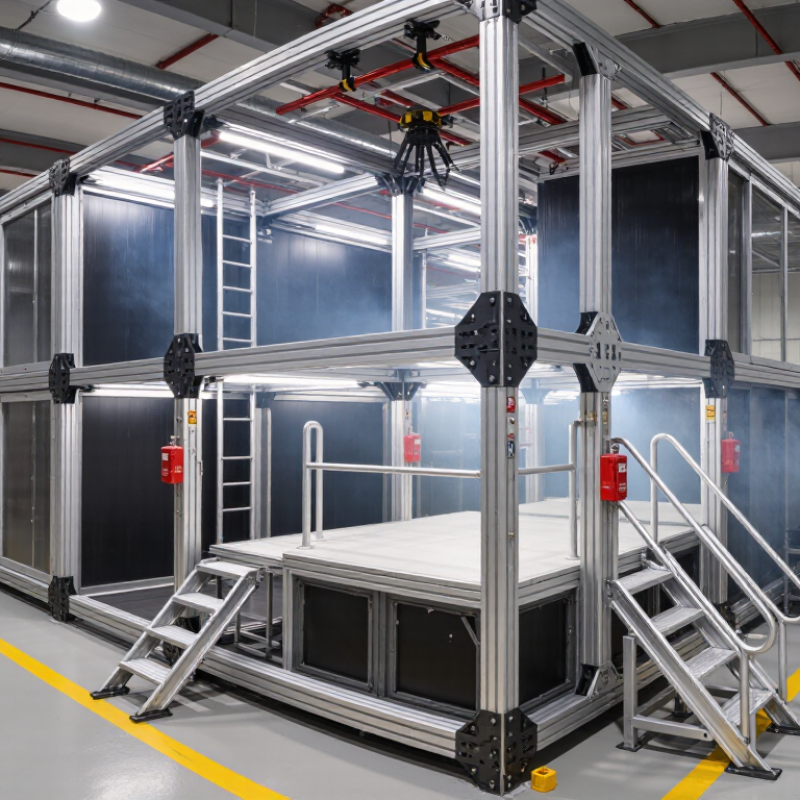
Best Industrial Confined Space Simulators From China?

Industrial Confined Space Simulator Types: Tanks, Tunnels, Towers, and Modules

Industrial confined space simulators from China are increasingly designed around realistic training, not simple steel mock-ups. Tanks reproduce narrow hatches, curved walls, internal ladders, and low-visibility movement. NIOSH Alert 80-106 analyzed 670 confined-space deaths in the United States from 1980 to 1989. Nearly 60% involved would-be rescuers. That finding supports repeated entry, retrieval, and communication drills.

Tunnels create different pressure points. Trainees must crawl, manage long lifelines, and maintain contact around blind corners. Towers add vertical risk, ladder transfers, elevated platforms, and controlled descent practice. Their height can expose weak rescue planning quickly. Yet height alone does not create realism. It needs accurate anchor points, fall-protection interfaces, and adjustable access routes.

Modular systems are often the most flexible option. Panels can form tanks, ducts, shafts, or irregular industrial layouts. Instructors can change obstacles without rebuilding the entire facility. This supports scenario variation, which training research consistently links with better skill retention. The U.S. Bureau of Labor Statistics reported 5,070 fatal work injuries in 2024, showing why practical preparation still matters across high-risk industries. A simulator cannot reproduce every toxic atmosphere or emergency stress. That limitation matters. Poorly placed sensors, unrealistic lighting, or excessive convenience can weaken the exercise. Buyers should verify structural testing, ventilation controls, retrieval points, and documented inspection procedures before purchase.

Safety Benchmarks: OSHA 1910.146, GB 3836, and NIOSH Rescue-Fatality Data

A credible industrial confined space simulator should teach decisions, not theatrical fear. OSHA 1910.146 provides a practical benchmark for permit-required spaces. Training should rehearse entry permits, isolation, atmospheric testing, attendants, communication, and rescue planning. A trainee should read changing oxygen, flammable-gas, and toxic-gas values before crossing the opening. The exercise should also show that ventilation is not automatically a safe solution. Conditions can change quickly.

GB 3836 adds an important Chinese safety perspective. Its focus is equipment used in explosive atmospheres, including protection methods and certification expectations. A simulator should therefore make ignition control visible. Electrical equipment, lighting, sensors, and communication devices need suitable protection for the assessed atmosphere. This standard does not replace a complete confined-space procedure. That distinction matters. Some training products blur it, creating false confidence. Experienced instructors should map each scenario to site hazards, local requirements, and documented risk assessments.

Tips: Use a gas monitor with a calibration record. Hide one realistic failure, such as a blocked sampling tube. Require the attendant to stop entry, not improvise. NIOSH rescue-fatality investigations repeatedly show a dangerous pattern: would-be rescuers enter without respiratory protection or a tested plan, producing multiple deaths. Simulators should practice non-entry rescue, retrieval systems, emergency ventilation decisions, and contacting external responders. Measure time, communication quality, and incorrect actions, not only completion. Review the footage afterward. A perfect drill may still be weak if it feels too predictable.

Evaluation Metrics: Gas Detection, Ventilation, Retrieval, and Rescue Realism

Choosing the best industrial confined space simulator from China requires more than polished steel and dramatic smoke. The evaluation should begin with gas detection realism. A strong simulator uses calibrated sensors, adjustable oxygen levels, and controlled changes in toxic or combustible gas readings. Displays should respond slowly enough for trainees to interpret trends, not merely react to alarms. Instructors also need records showing sensor checks and scenario results. Small details matter. A dead display ruins trust.

Ventilation realism deserves equal attention. Airflow should change when a fan starts, a duct shifts, or an opening becomes blocked. Trainees should observe how readings improve unevenly across different levels. In real work, the safest area is not always near the entrance. Retrieval equipment must reflect practical movement, including tripod stability, winch resistance, harness positioning, and limited visibility. If every casualty rises smoothly, the exercise is too comfortable.

Rescue realism reveals the simulator’s true value. Effective systems allow communication failures, awkward body positions, delayed responses, and changing gas conditions. Medical assessment should influence the rescue sequence, rather than becoming a scripted pause. During demonstrations, I would inspect anchor points, emergency stops, ventilation controls, and data logging personally. A simulator may look advanced yet offer shallow training. That weakness is easy to miss. Independent instructors should repeat scenarios under different conditions and compare trainee decisions, not only completion times. No simulator perfectly reproduces a confined space, and pretending otherwise creates dangerous confidence.

Chinese Simulator Capabilities: Custom Design, VR Integration, and Compliance

Best Industrial Confined Space Simulators From China?

Chinese simulator manufacturers now offer more than standard training rooms. Many can create custom confined space layouts for tanks, pipelines, manholes, and industrial platforms. A practical design should reflect the client’s real risks, not only look impressive. Door widths, entry angles, lighting, ventilation points, and rescue routes need careful review. Small details matter.

VR integration adds flexible practice before physical entry. Trainees can inspect a simulated vessel, identify hazards, and rehearse communication with a supervisor. Sensors may record movement, response time, and procedural errors. This evidence supports professional assessment, but VR cannot replace hands-on training. The headset may feel realistic. The pressure is different. That limitation deserves honest discussion.

Tips: Request a design review with safety trainers and maintenance staff. Check whether the simulator supports adjustable obstacles, controlled visibility, and realistic rescue equipment. Ask for documented testing, user manuals, inspection records, and alignment with applicable occupational safety requirements. Compliance should be verified for the installation location, because requirements vary between regions. A supplier’s technical confidence is useful, but independent review is stronger. No simulator is perfect. A first design may be too clean, too spacious, or easier than the real workplace. Test it with experienced workers, record their concerns, and revise the layout before regular training begins.

Selection Criteria: Certification, Training Outcomes, Service, and Lifecycle Cost

Best Industrial Confined Space Simulators From China?

Selection Criteria: Certification, Training Outcomes, Service, and Lifecycle Cost

A credible simulator should reflect recognized safety requirements, not merely resemble a tank. OSHA 29 CFR 1910.146 emphasizes hazard evaluation, atmospheric testing, permits, attendants, and rescue planning. ANSI/ASSP Z117.1-2022 adds practical guidance for confined-space programs. Ask for test certificates, material specifications, load ratings, and traceable calibration records for gas instruments. Certification claims need verification. A photograph is not evidence.

Training outcomes matter more than a crowded steel layout. NIOSH reported that would-be rescuers account for about 60% of confined-space fatalities, highlighting the need for disciplined rescue practice (NIOSH Alert 86-110). A suitable Chinese simulator should support entry, communication, gas monitoring, casualty management, and supervised recovery. Measure task time, alarm response, communication accuracy, and procedural errors before and after training. Real experience exposes weak points. One exercise rarely proves competence, so refresher scenarios and independent assessment remain necessary.

Service quality appears after installation. Require bilingual manuals, spare-part lists, remote troubleshooting, instructor training, and clear response times. Inspect welds, ventilation, lighting, anchor points, and drainage before acceptance. Lifecycle cost includes freight, commissioning, calibration, software, replacement harnesses, and downtime. A cheaper unit may become expensive when local technicians cannot repair it. Compare five-year cost per trainee, not purchase price alone. Adjustable obstacles improve repetition, but excessive complexity may distract from core hazards. Request a live demonstration and sample maintenance log before signing. Polished videos can still hide practical weaknesses.

FAQS

What types of confined space simulators are available?

Common types include tanks, tunnels, towers, and modular systems. Each recreates different movement and rescue challenges. No single layout fits every workplace.

What does a tank simulator usually reproduce?

Tank simulators may include narrow hatches, curved walls, ladders, and poor visibility. Trainees practice controlled entry and careful movement. The walls feel close.

How do tunnel simulators support realistic training?

Tunnels require crawling, lifeline management, and communication around blind corners. Long distances can expose weak contact procedures. Silence becomes a problem.

What extra risks do tower simulators represent?

Towers support ladder transfers, elevated platforms, anchor-point checks, and controlled descent drills. Height alone is not realistic. Anchors and fall protection matter more.

Why are modular simulators useful?

Modular panels can create tanks, ducts, shafts, and irregular layouts. Instructors can change obstacles without rebuilding the facility. Variation improves practice.

How should gas detection be evaluated?

Sensors should show adjustable oxygen and changing gas readings. Displays should reveal trends, not only trigger sudden alarms. A dead screen damages trust.

What makes ventilation training realistic?

Airflow should change when fans start, ducts move, or openings become blocked. Readings should improve unevenly at different levels. The entrance may not be safest.

What should rescue equipment and scenarios demonstrate?

Retrieval systems should include stable tripods, winch resistance, harness movement, and limited visibility. Casualties should not always rise smoothly. Real rescues are awkward.

Can virtual reality replace physical simulator training?

Virtual reality can rehearse hazard checks, communication, and procedural decisions. It cannot fully reproduce body pressure, equipment weight, or physical stress. The headset feels different.

What should buyers verify before installation?

Buyers should review structural testing, ventilation controls, retrieval points, inspection records, manuals, and data logging. Experienced workers should test the design before regular use. A clean layout may be too easy.

Conclusion

Industrial Confined Space Simulators provide realistic, controlled environments for training workers and rescuers to identify hazards, practice entry procedures, and respond to emergencies. Common types include tanks, tunnels, towers, and modular systems, each supporting different scenarios such as restricted access, low visibility, vertical descent, gas exposure, and difficult retrieval. Effective simulators should reflect recognized safety principles, including OSHA 1910.146, GB 3836 requirements, and lessons drawn from NIOSH rescue-fatality data.

When evaluating a simulator, organizations should examine gas detection accuracy, ventilation control, retrieval systems, communication, and the realism of rescue exercises. Chinese manufacturers can offer custom layouts, VR-enhanced instruction, modular expansion, and compliance-focused designs for different industries. Selection should also consider certification quality, measurable training outcomes, instructor usability, after-sales service, maintenance needs, and total lifecycle cost. The best solution is not necessarily the most complex, but the one that consistently builds practical skills while supporting safe, repeatable, and properly supervised training.

Ethan

Ethan

Ethan is a marketing professional who combines a strong understanding of the company’s products with a thoughtful, customer-focused approach to communication. He keeps up with product features, applications, and developments, helping readers understand how the company’s offerings can address......